当研究室について
About our lab.
ーーーーーーーーーーーーーーーーーーー About our lab. (Eng.) ーーーーーーーーーーーーーーーーーーー
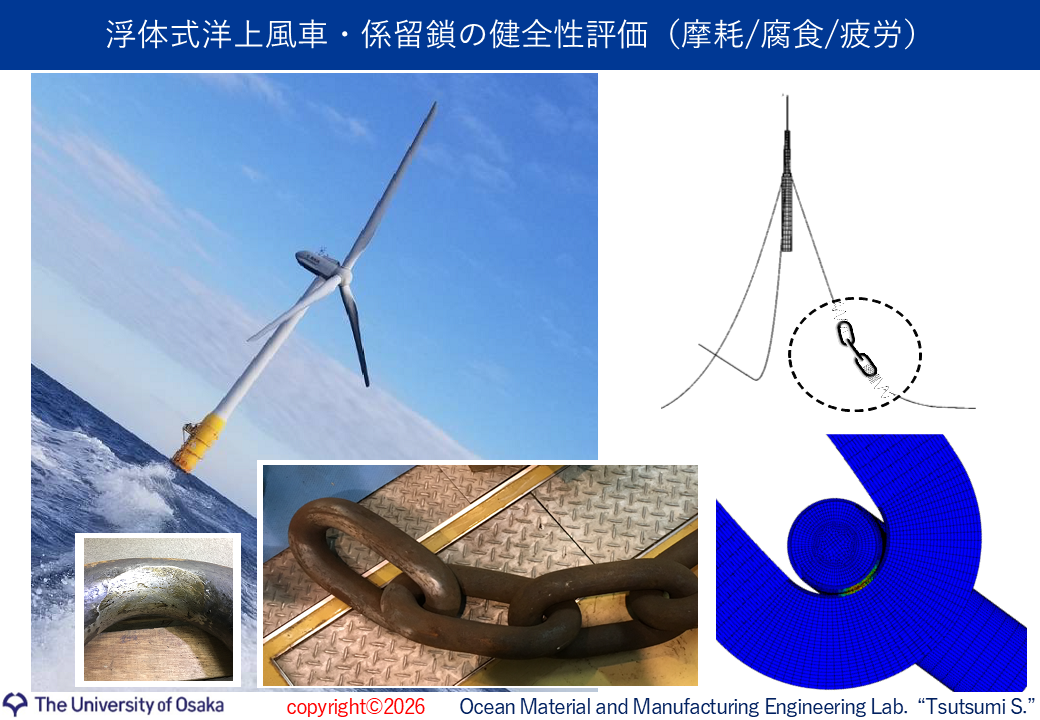
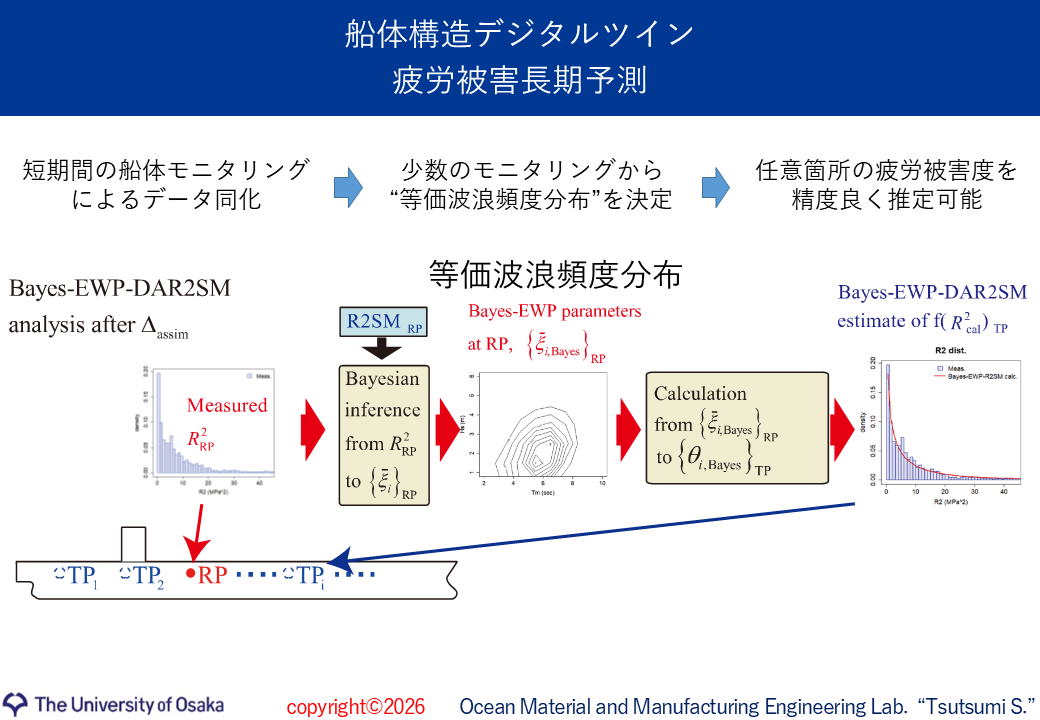
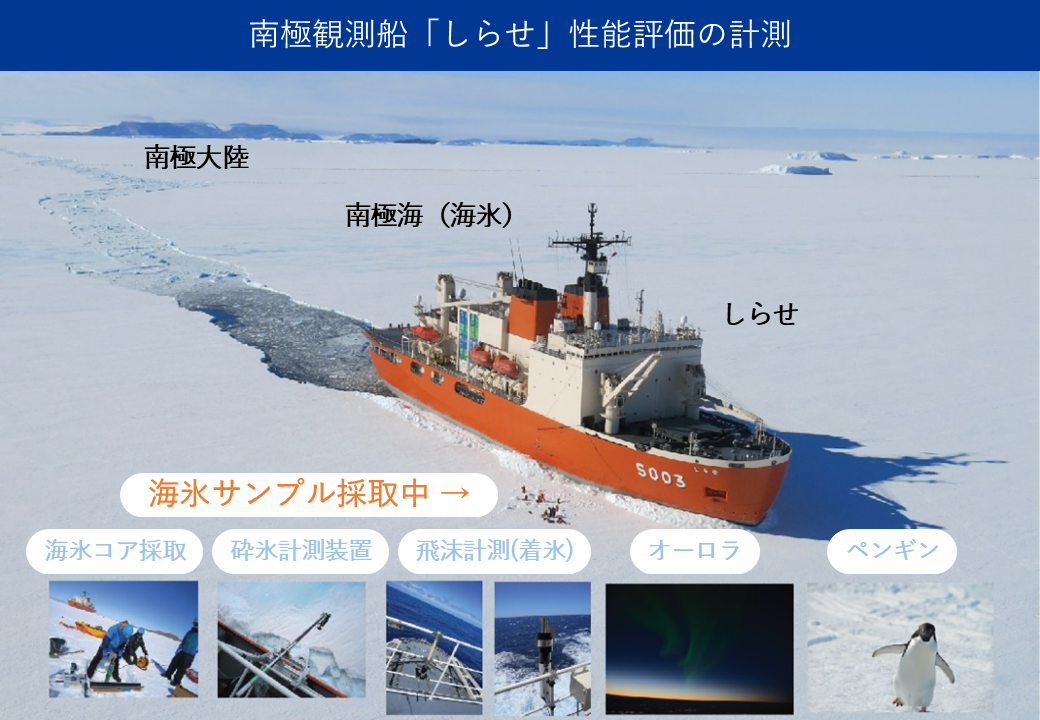
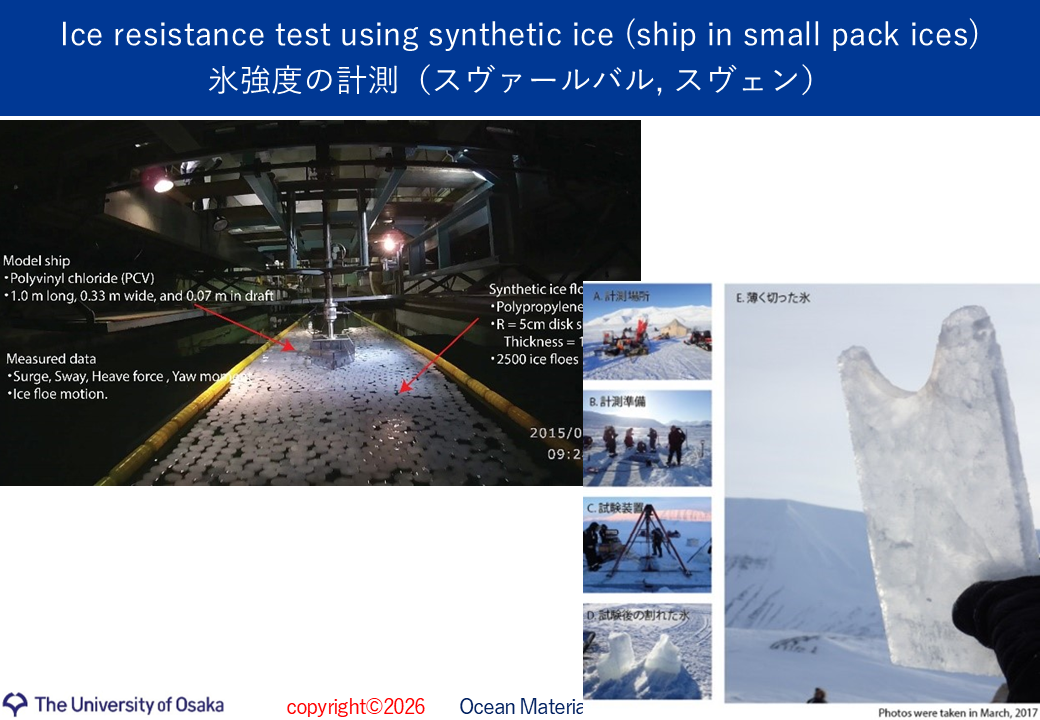
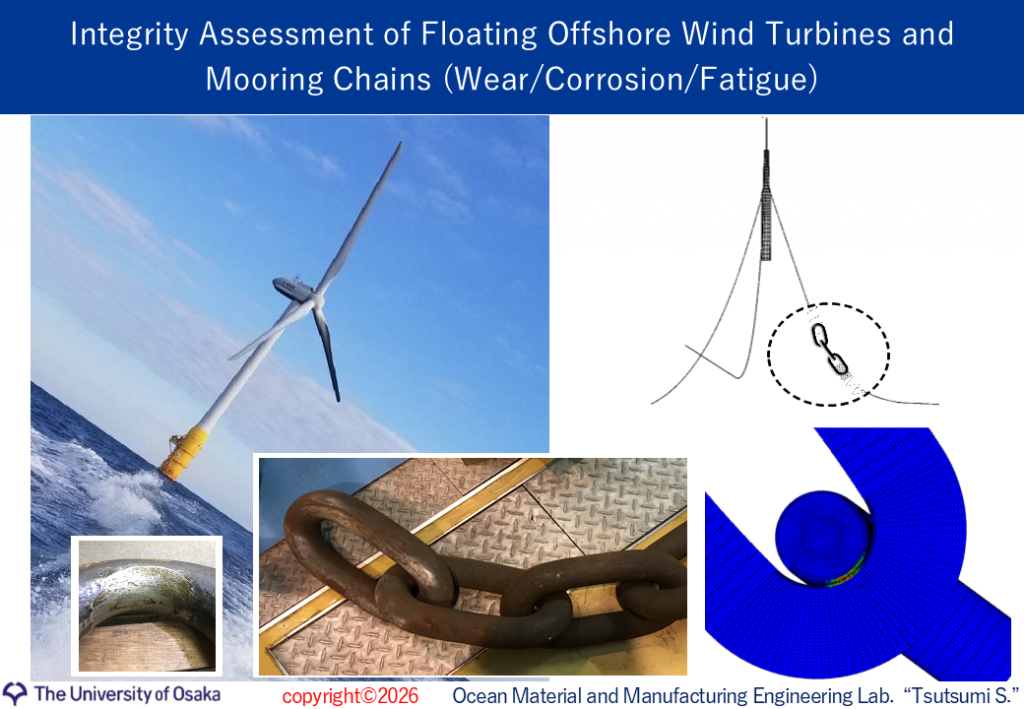
Our laboratory conducts research aimed at improving the durability (extending the service life) of ships, offshore structures, and various machines and equipment exposed to extreme environments—such as the harsh wind and sea conditions of the open ocean, the extremely high pressures of the deep sea, and ice-covered waters near the melting point—while also establishing the optimal design, materials, manufacturing/inspection, and maintenance/life-extension technologies needed to achieve this. Amid the growing environmental severity caused by climate change and heightened security concerns in recent years, this research has become an essential foundation for addressing critical global challenges in the environment, energy, resources, logistics, and safety, and its importance continues to grow.
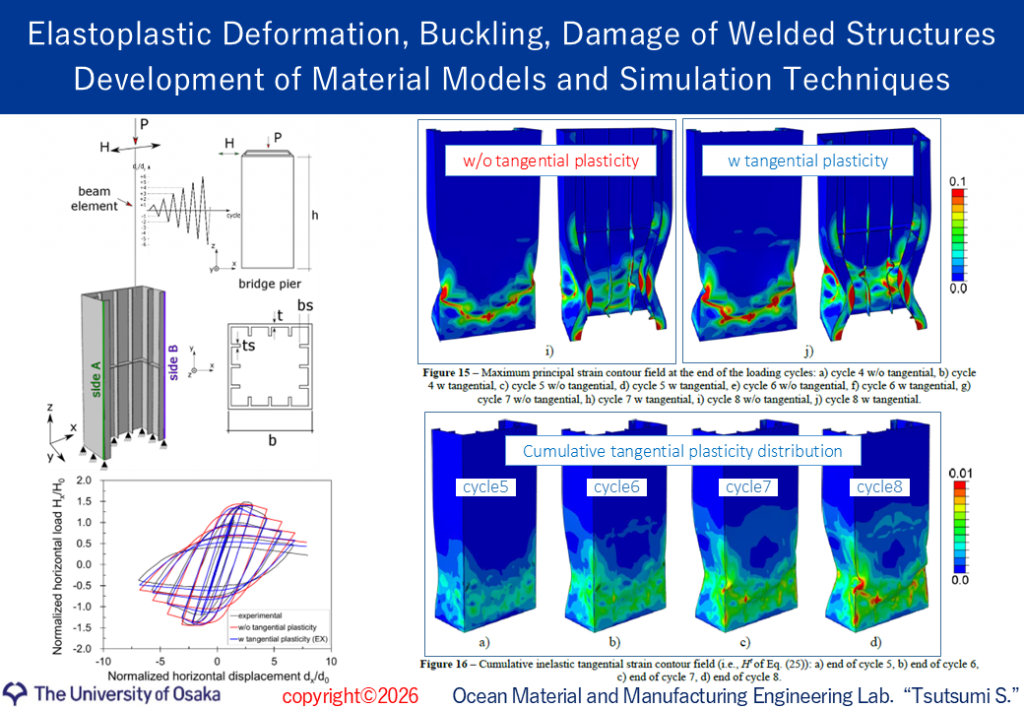
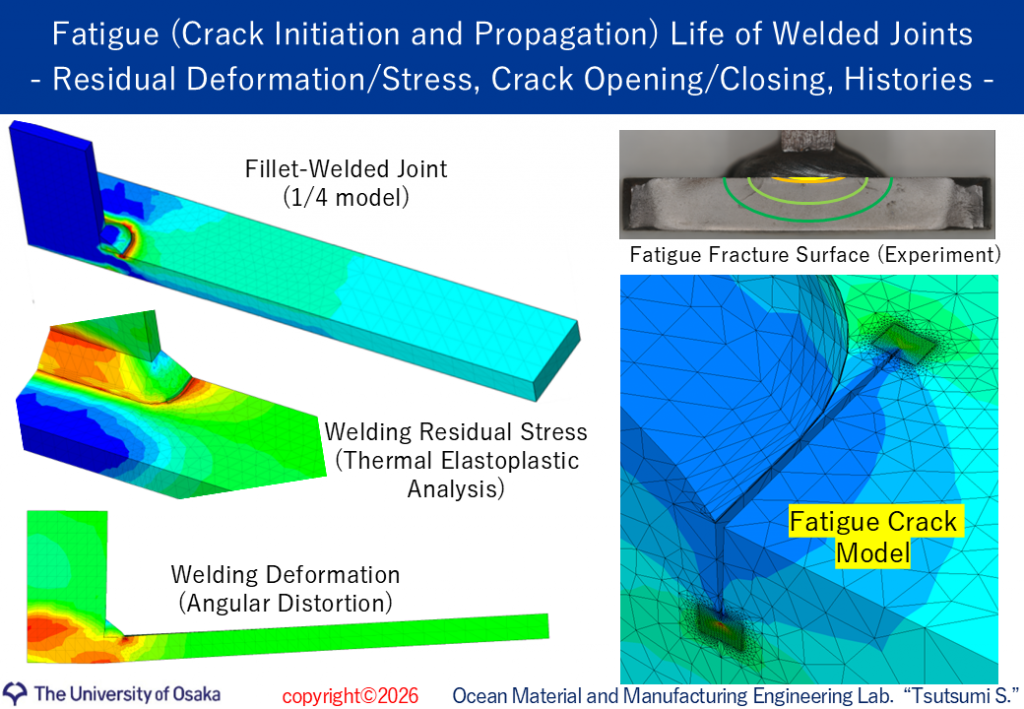
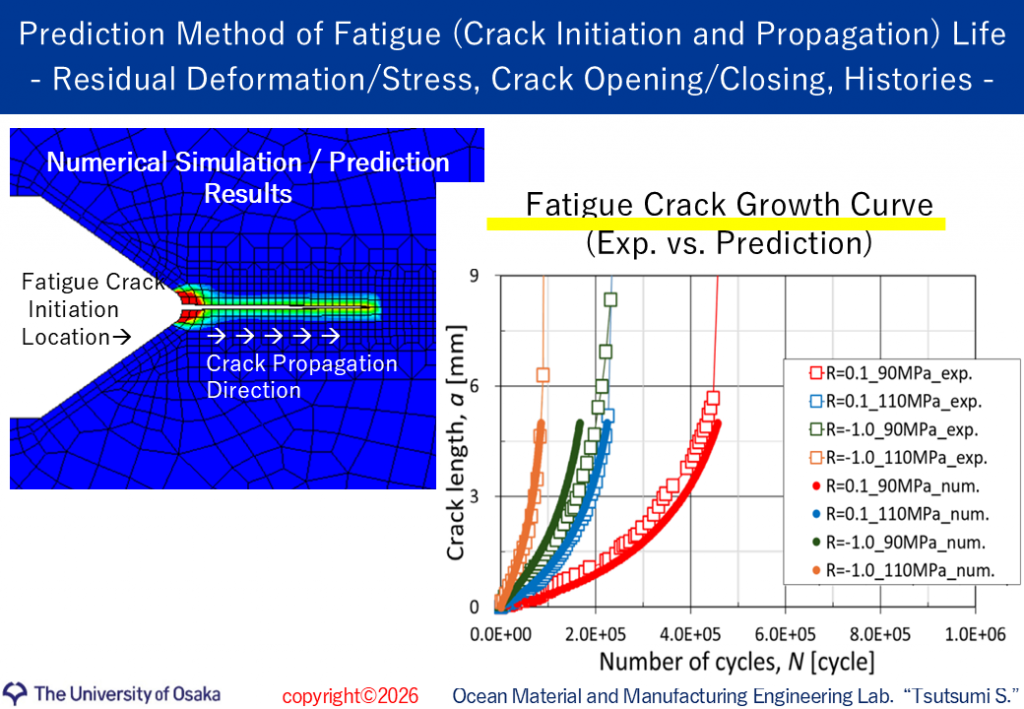
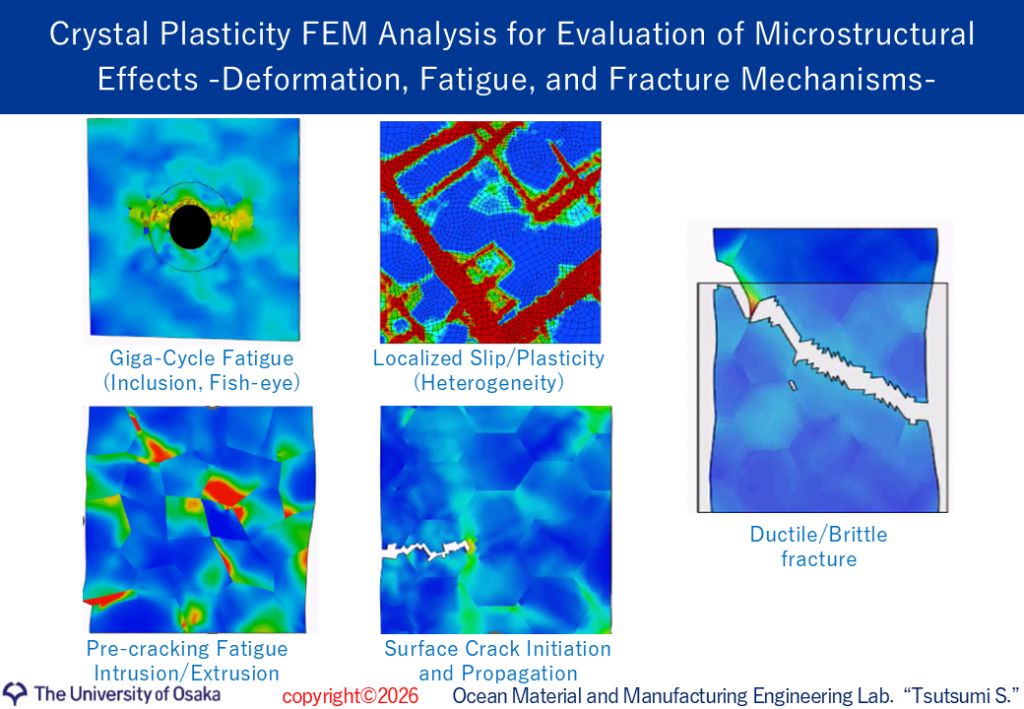
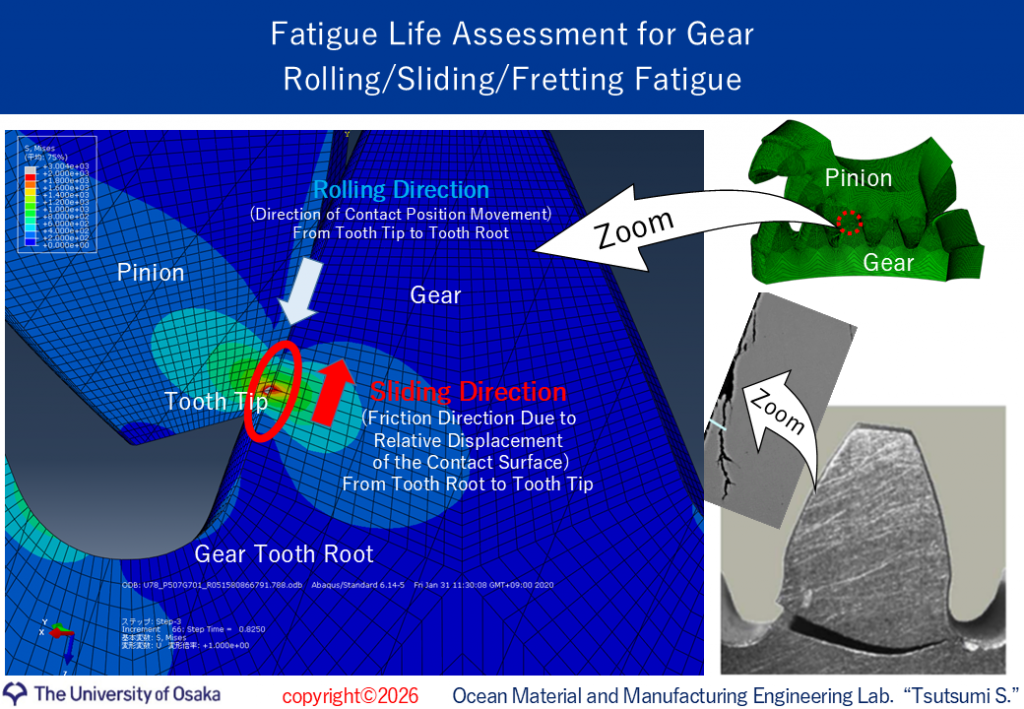
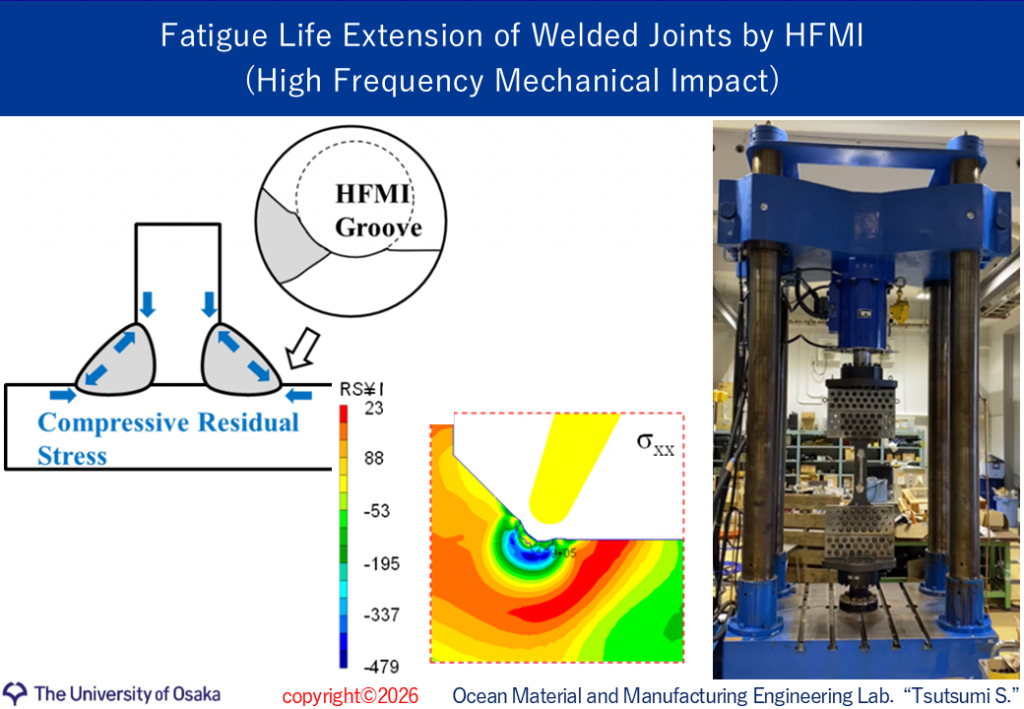
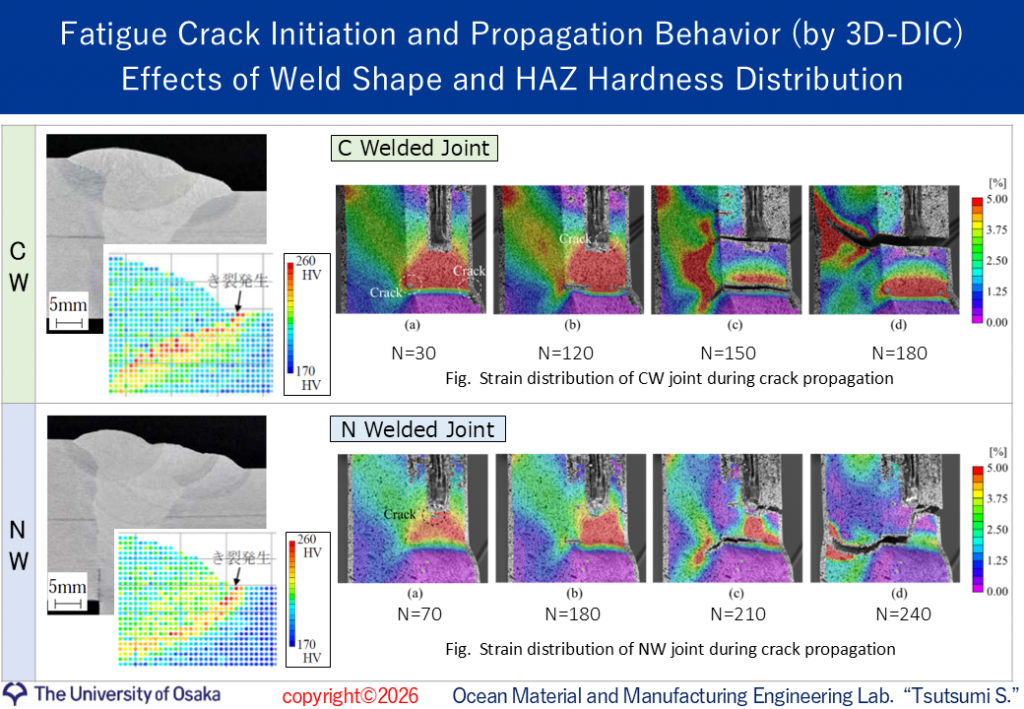
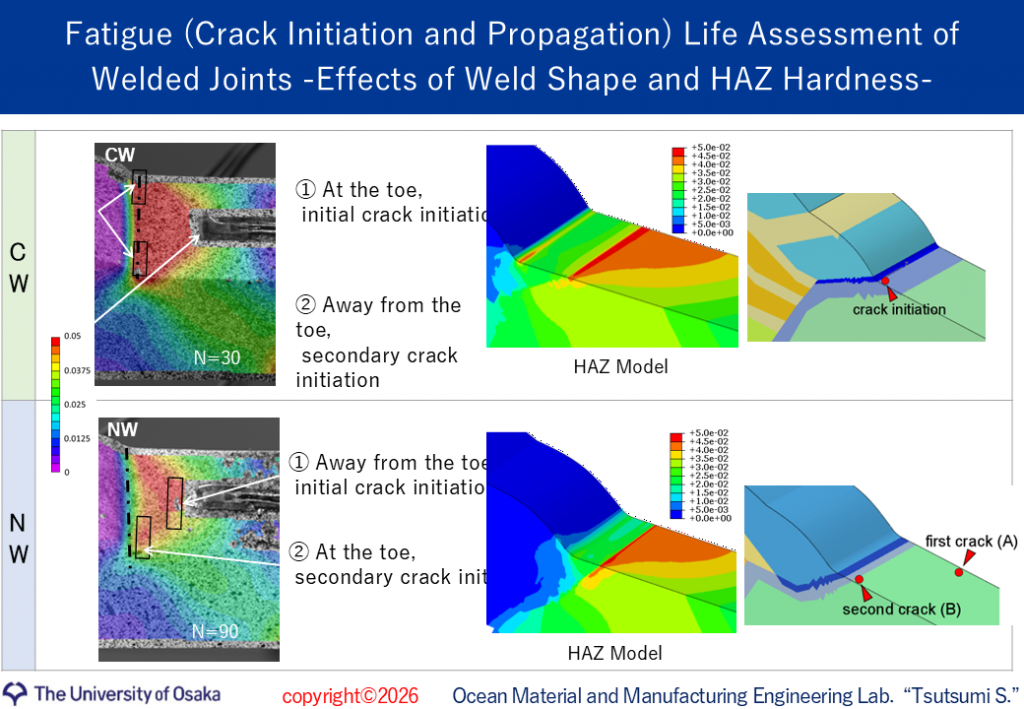
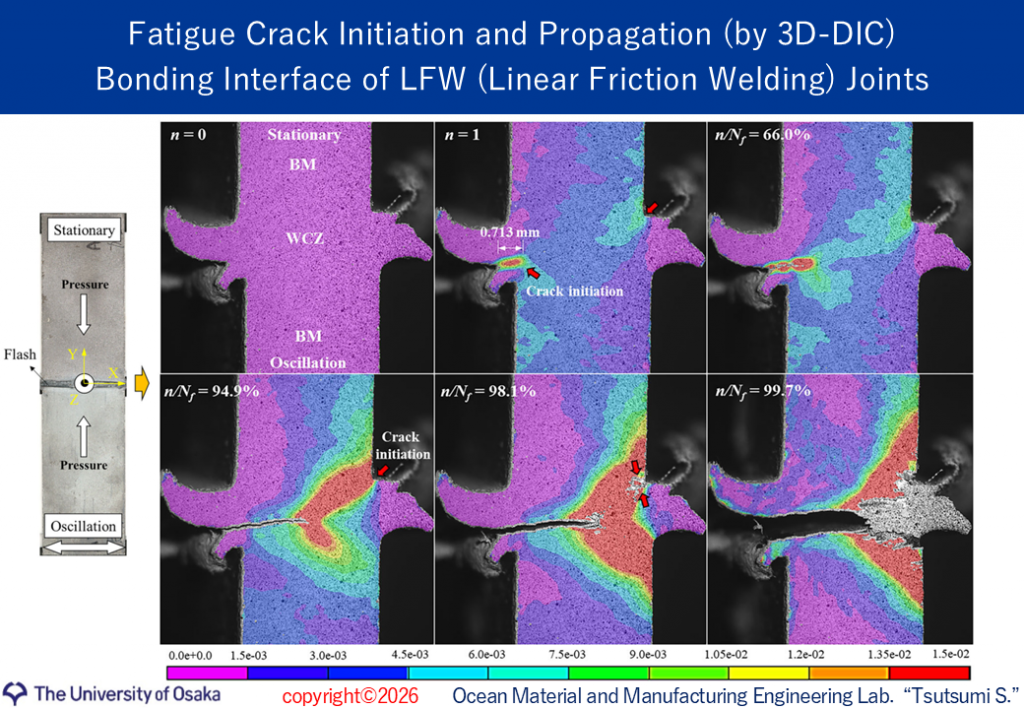
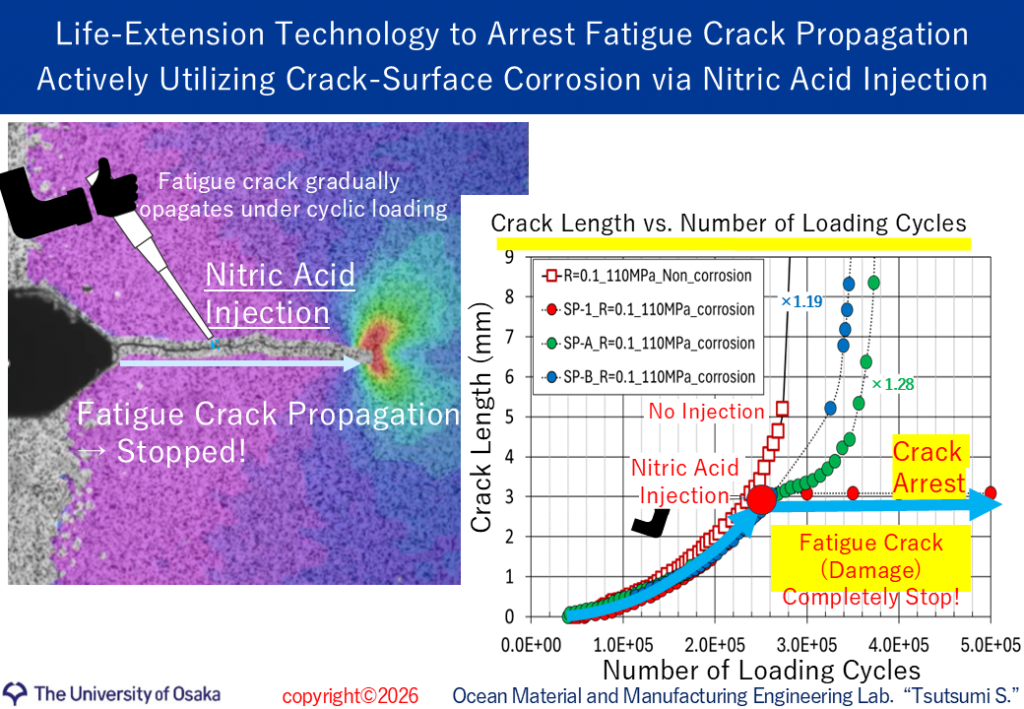
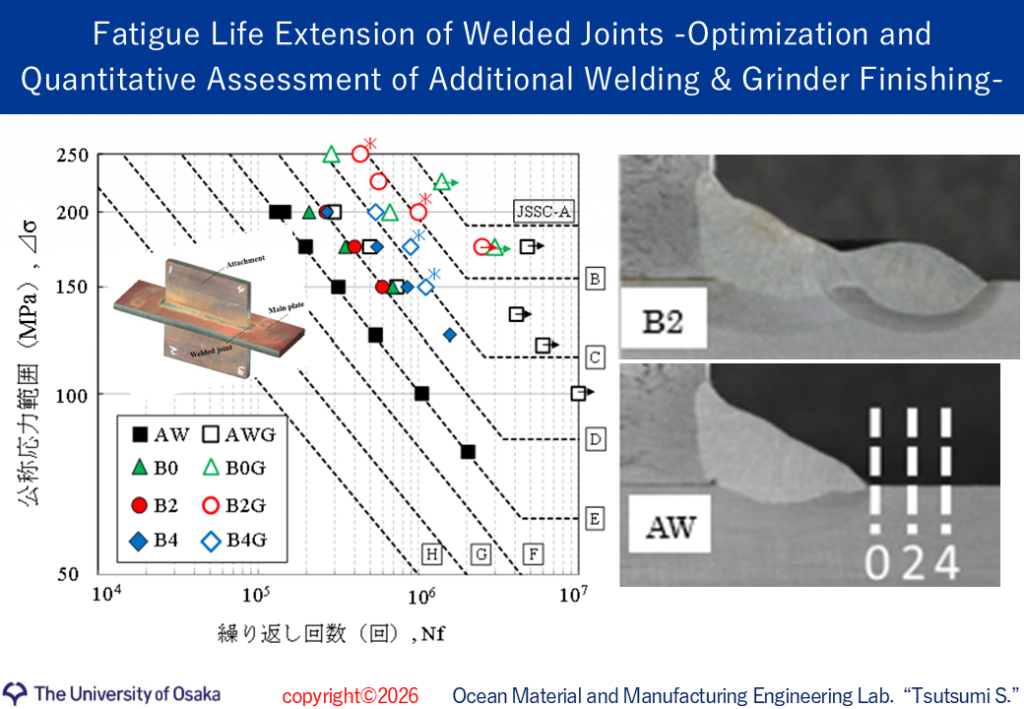
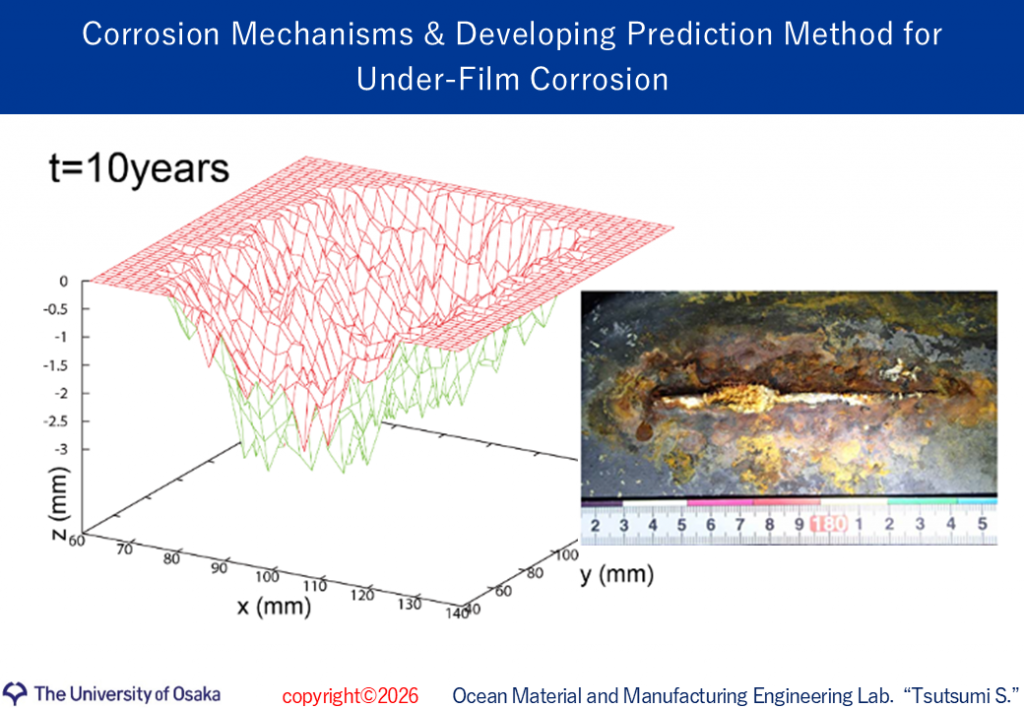
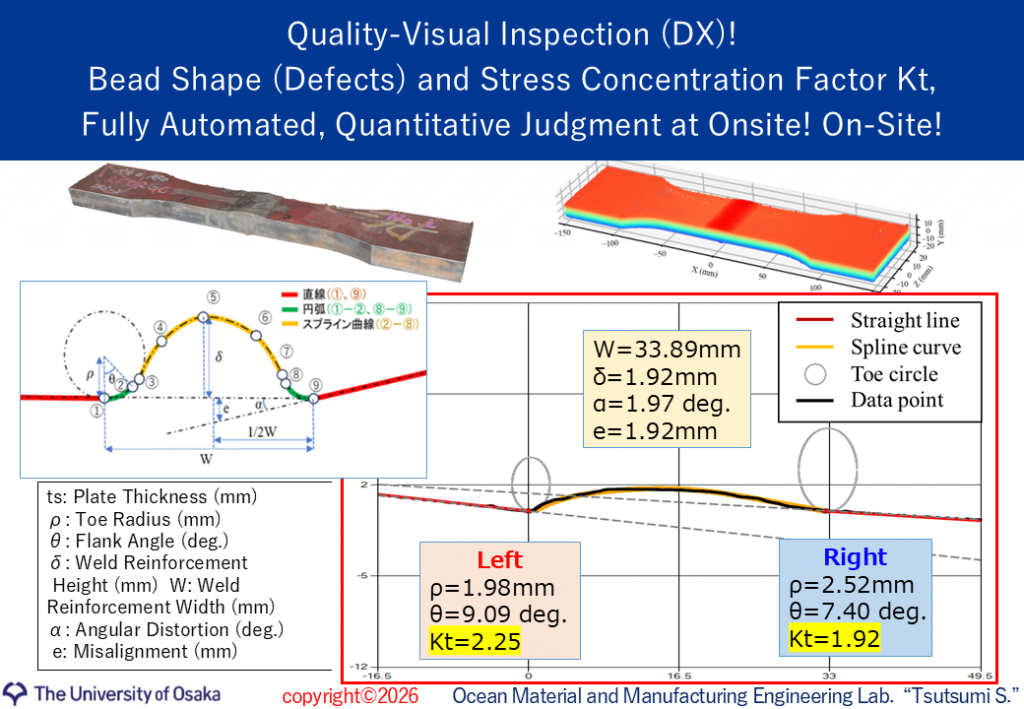
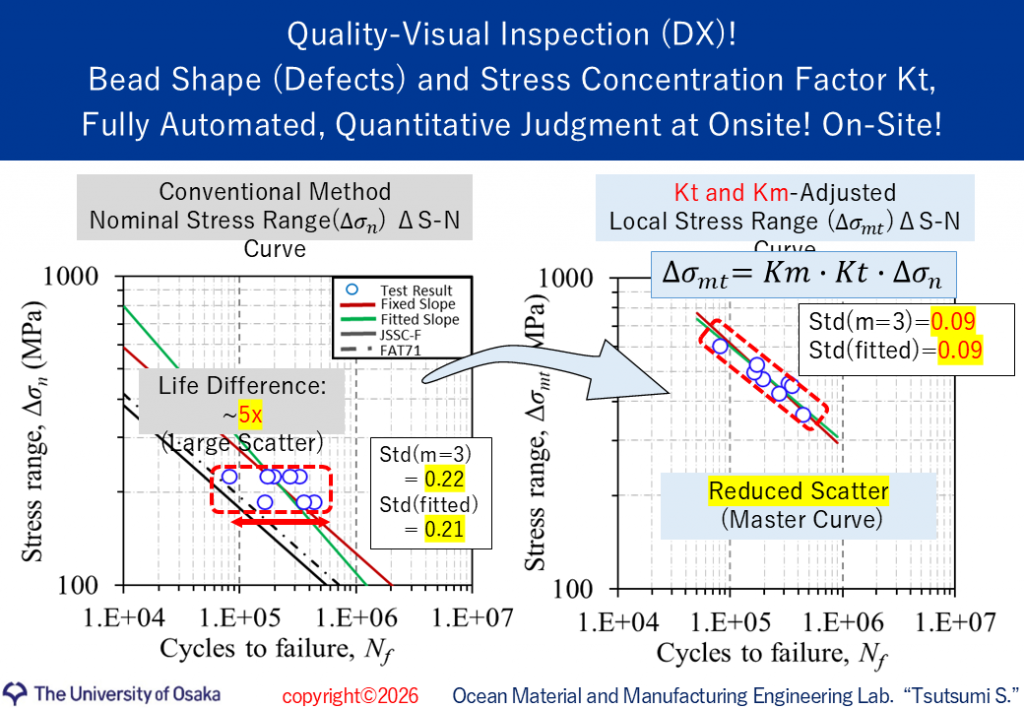
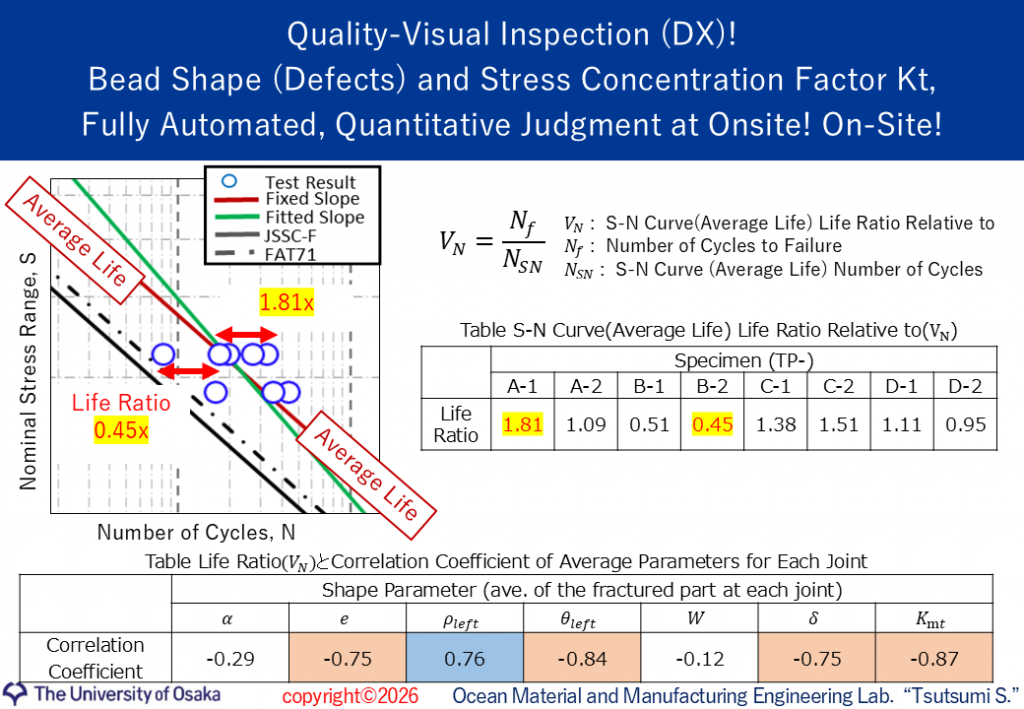
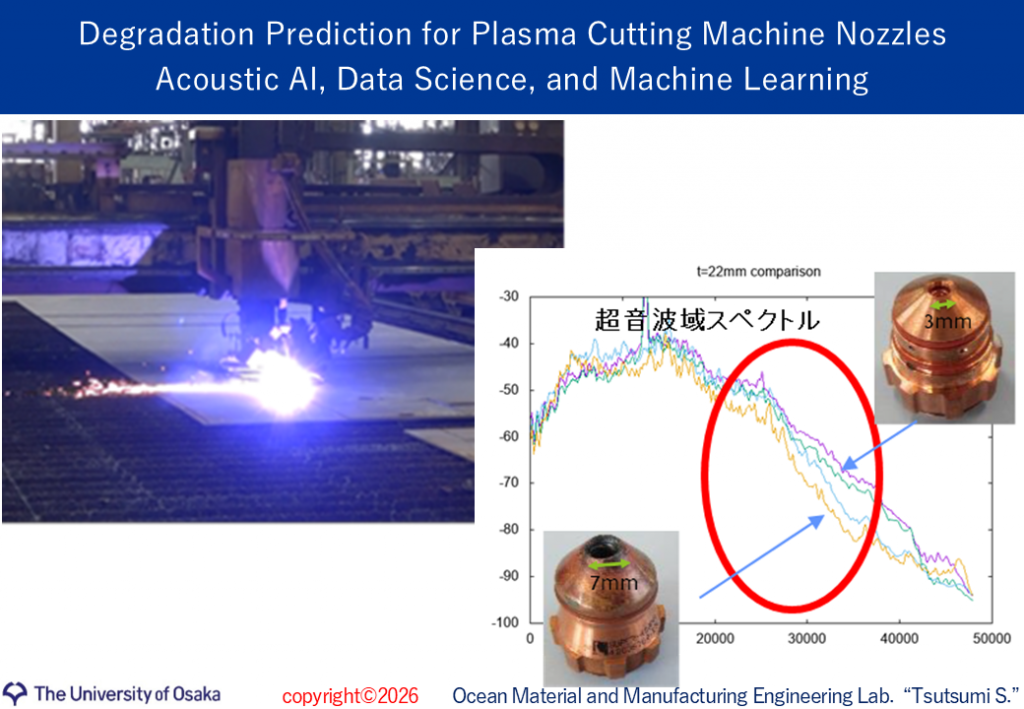
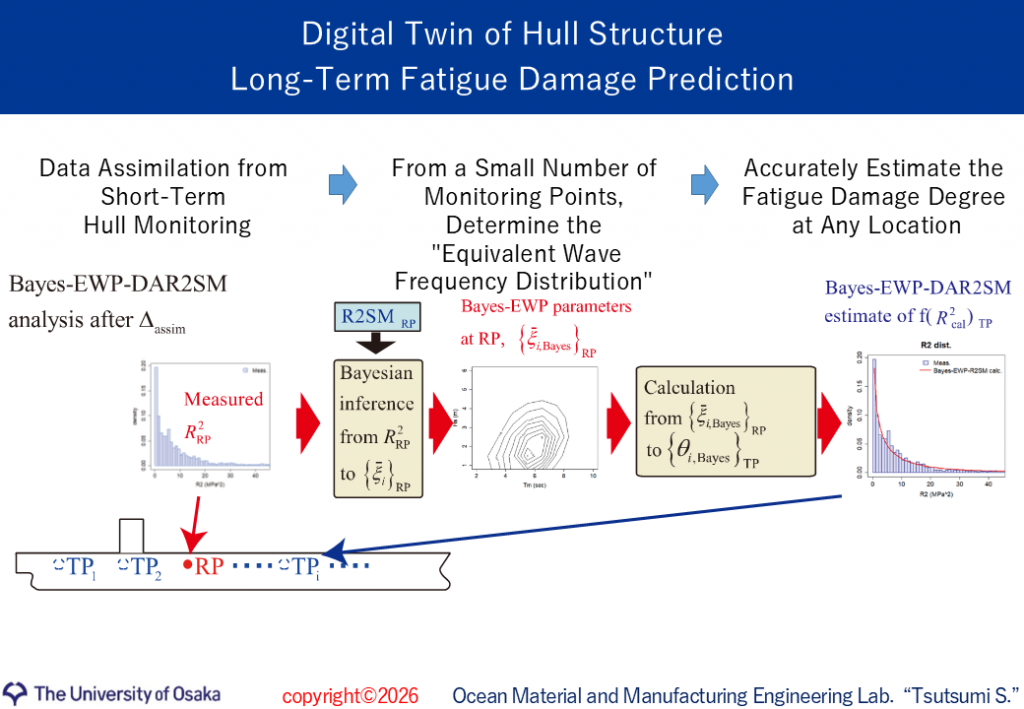
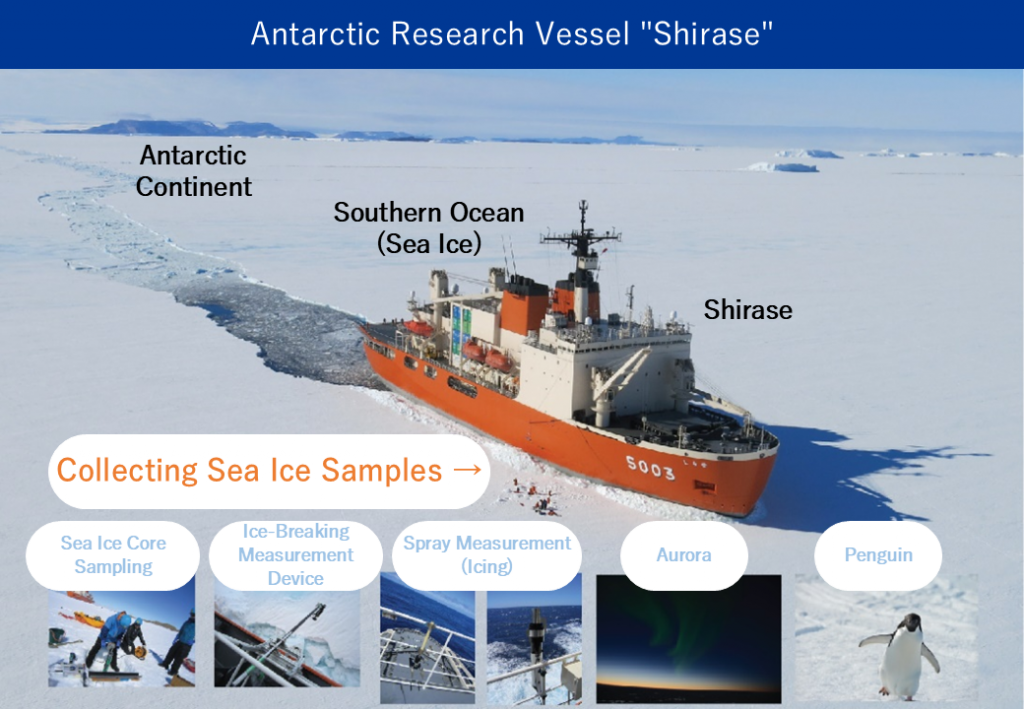
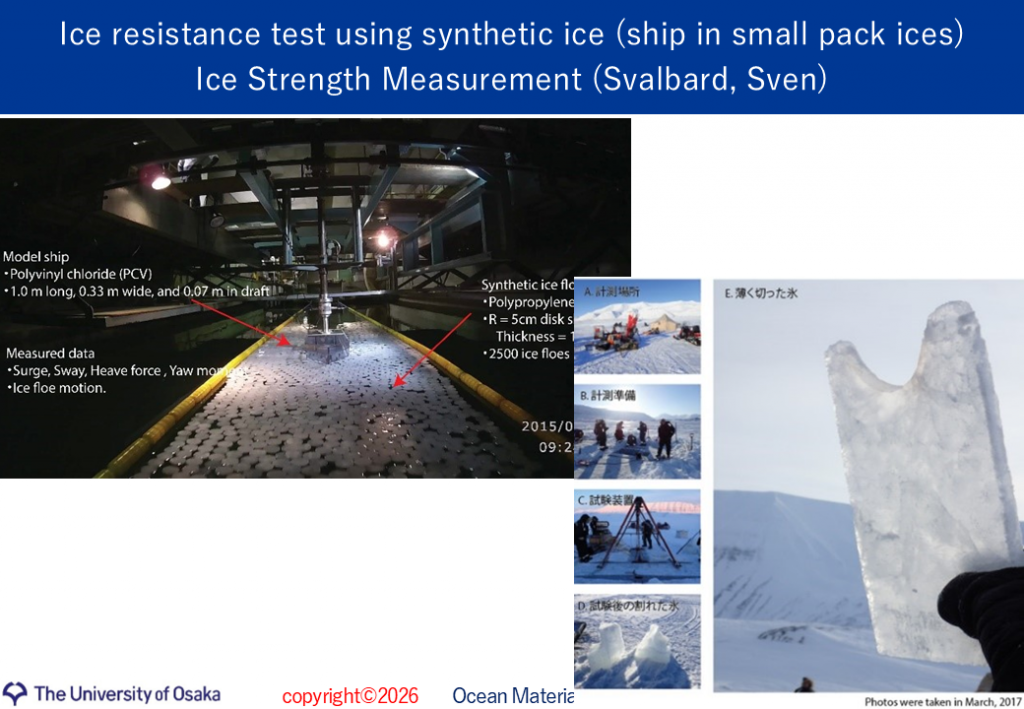
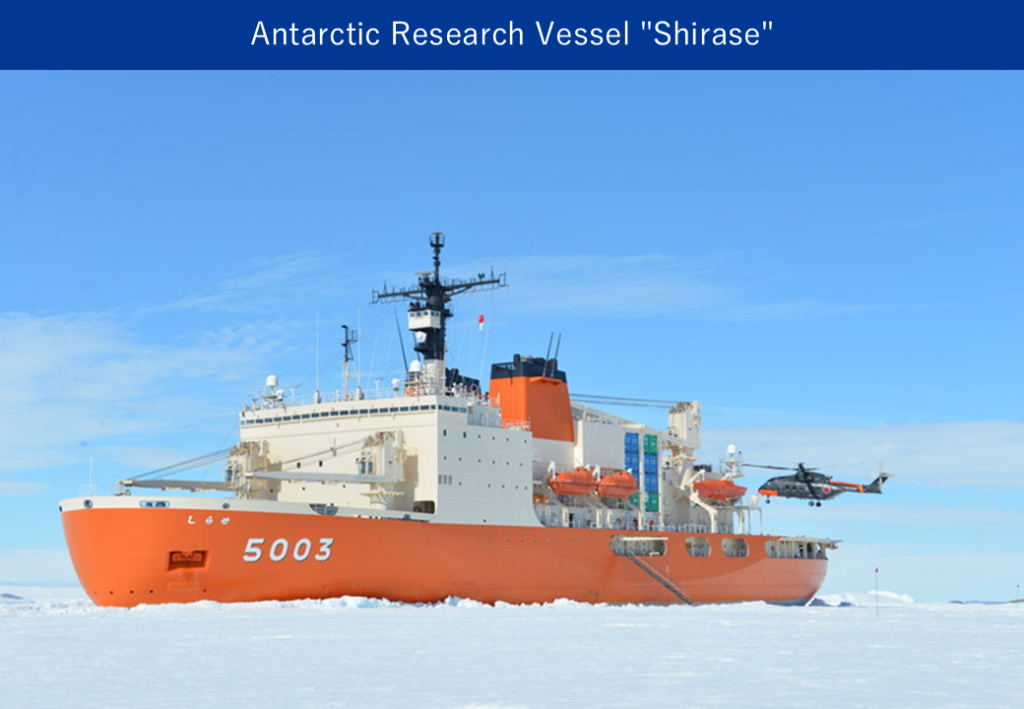
Achieving these goals at a high level requires not only precise experiments that replicate extreme environments, but also the development of numerical simulation technologies capable of accurately predicting how materials and structures deform under real-world conditions and ultimately reach failure. By advancing research through the twin pillars of experiments and numerical analysis, and by fusing simulation technology with data science and physical AI, we are taking on the challenge of creating “the innovative technologies that future manufacturing and society will demand.”
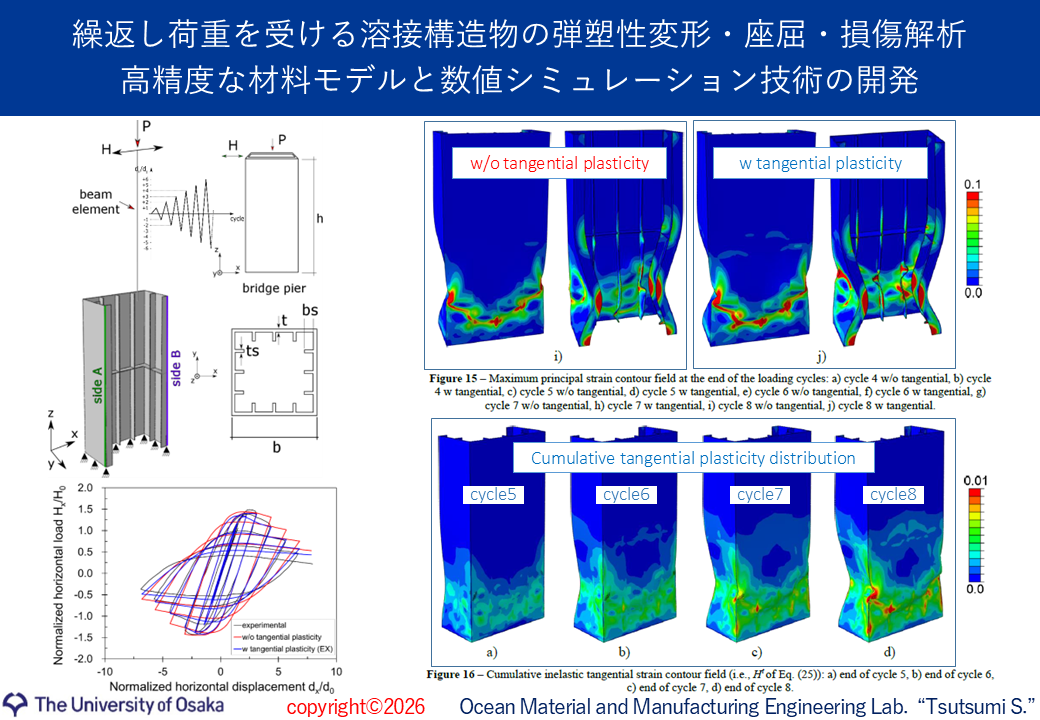
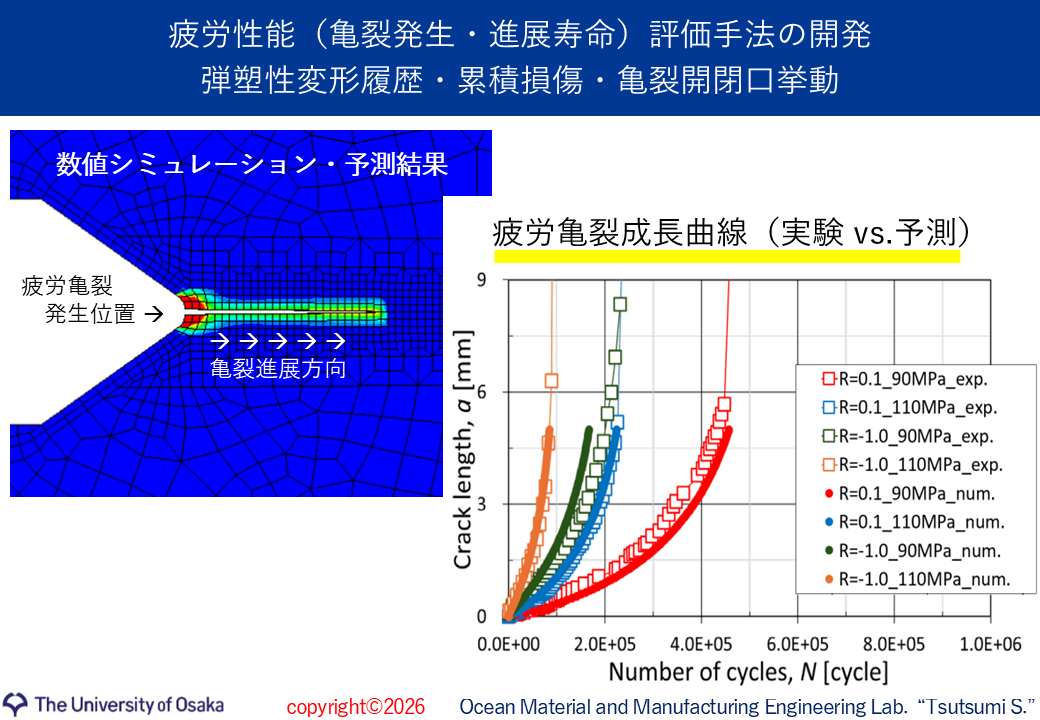
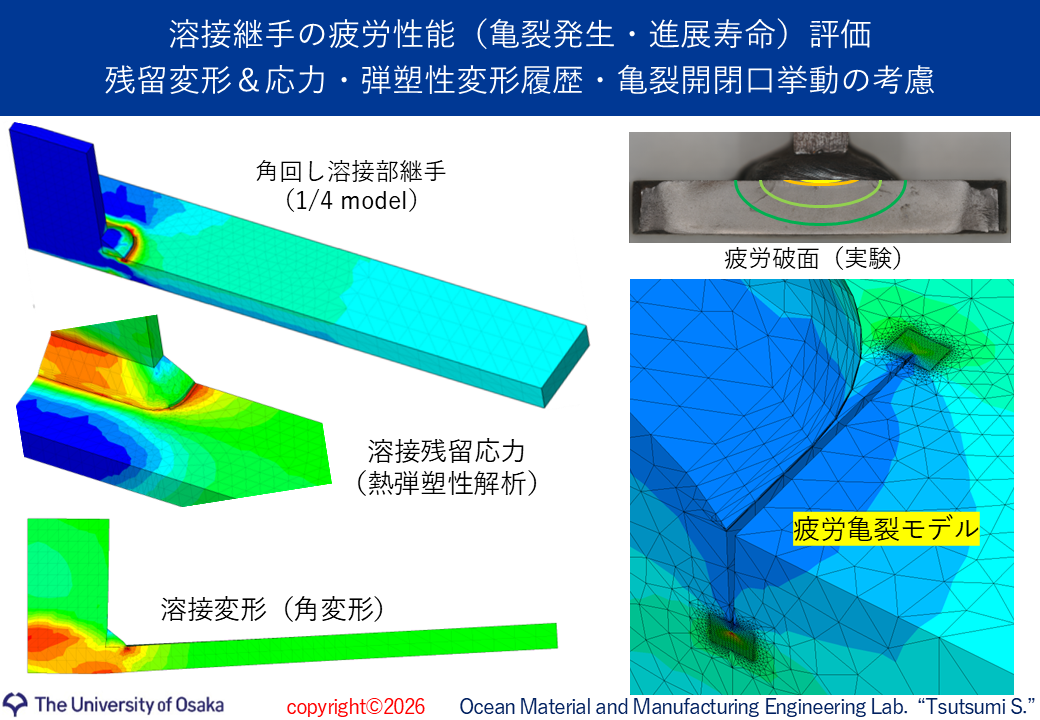
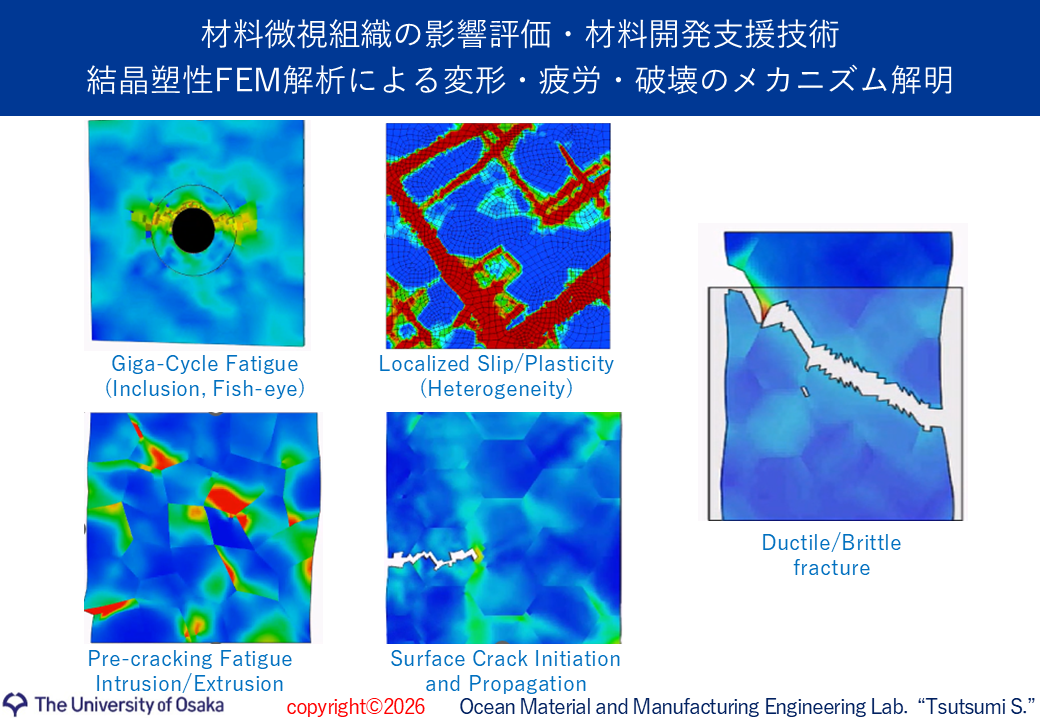
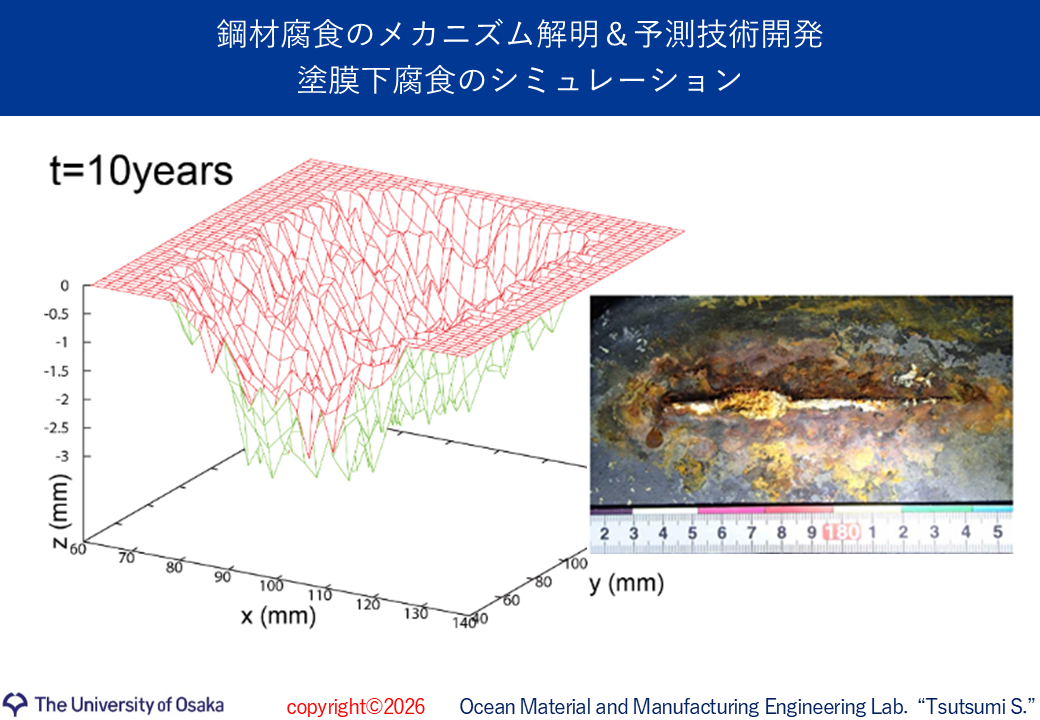
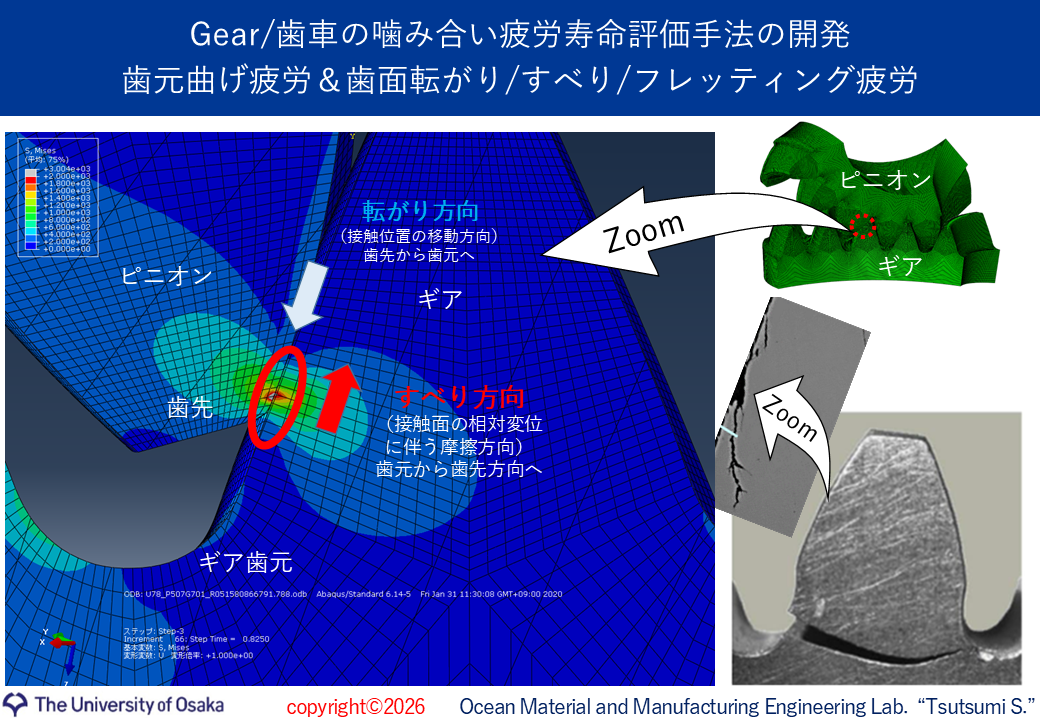
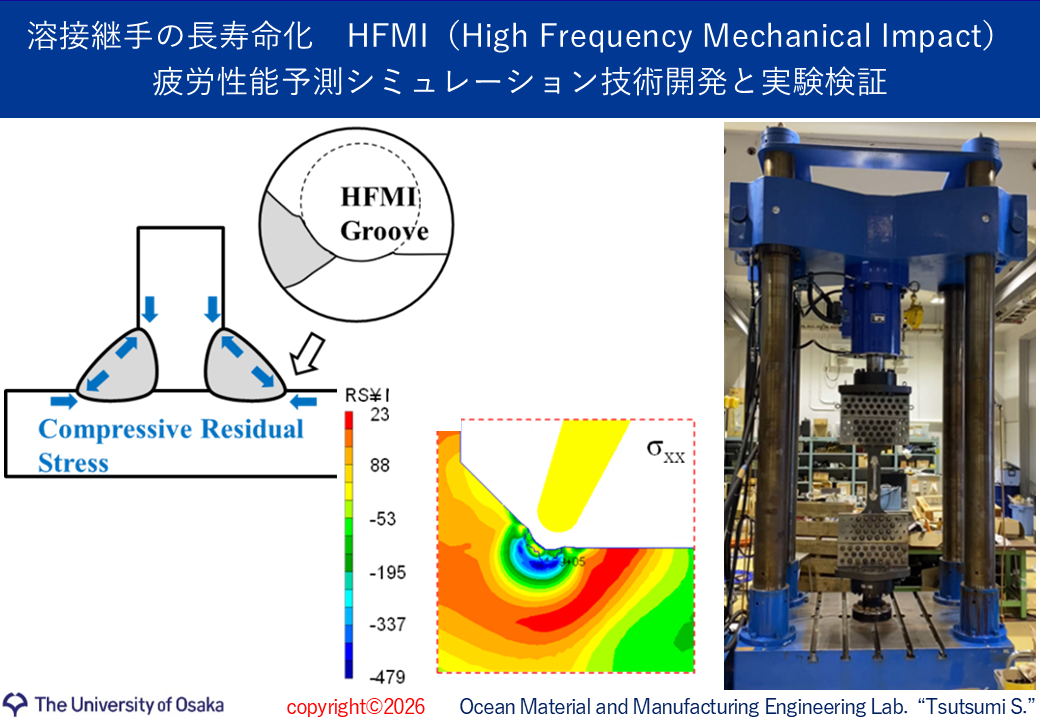
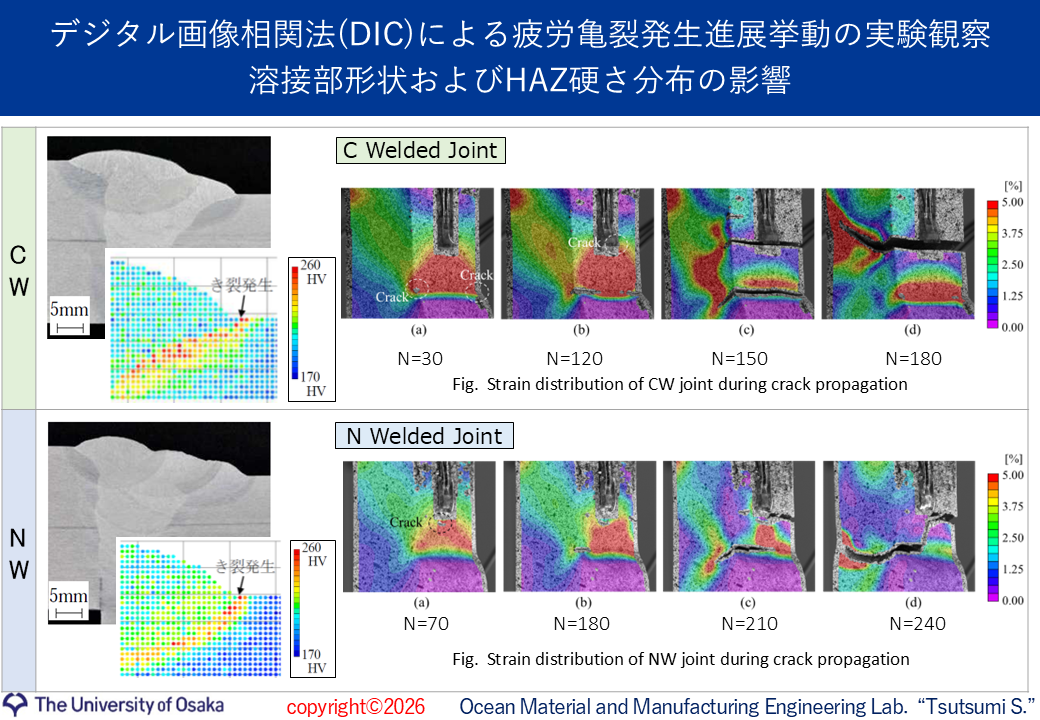
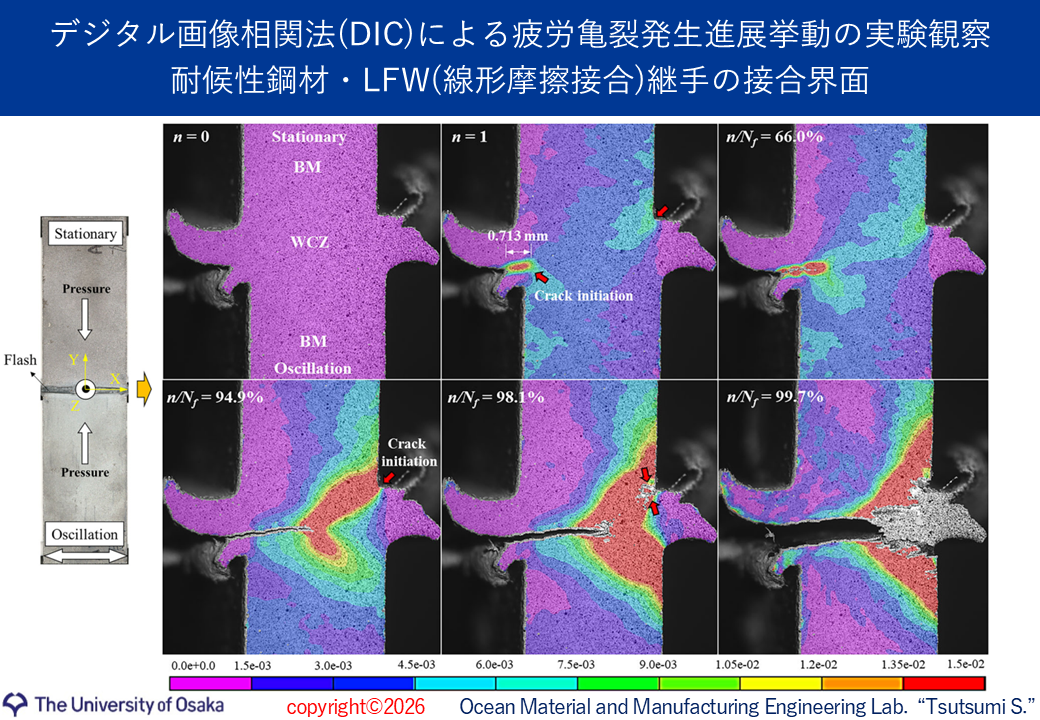
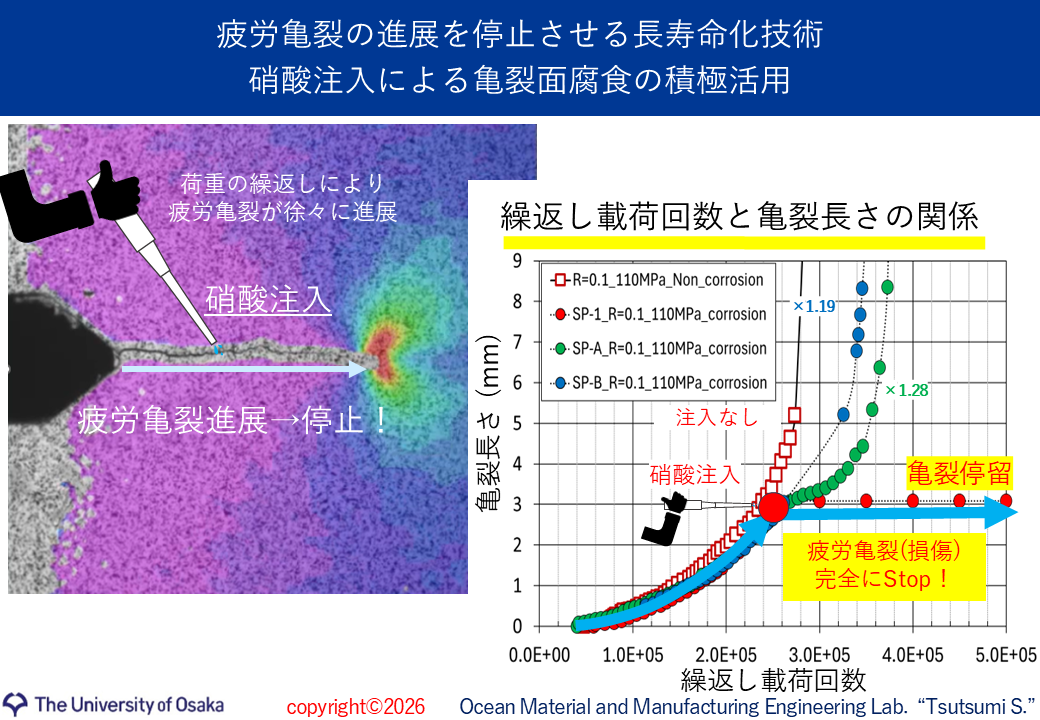
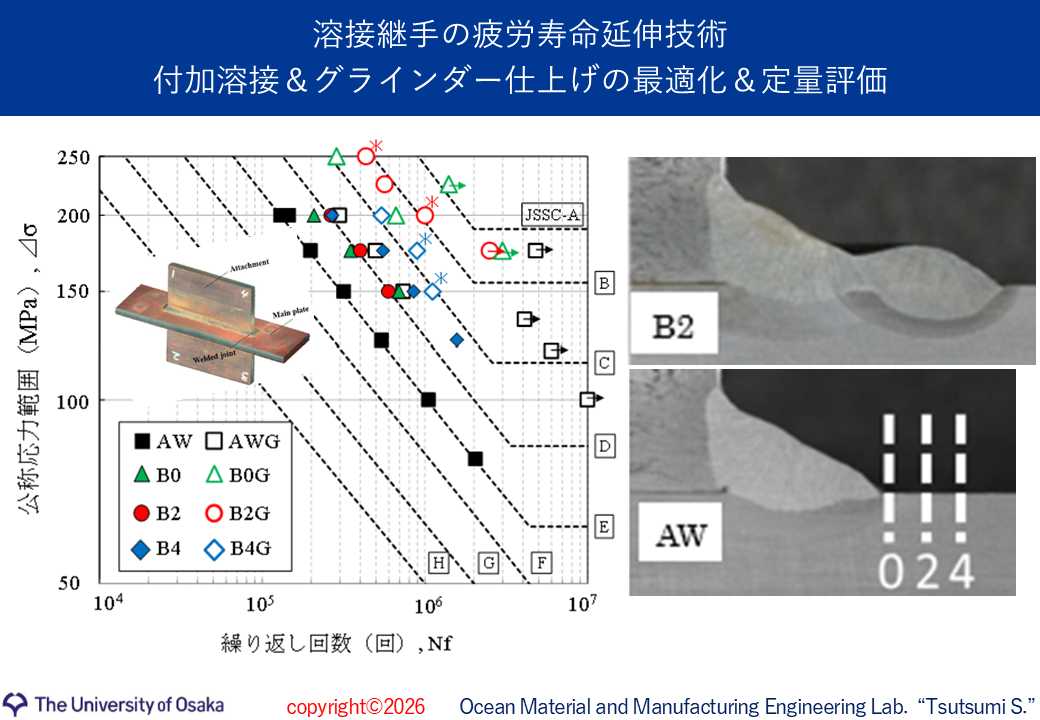
In particular, our research on the durability of materials and structures under real-world conditions covers the entire time history and process—from the onset and progression of damage such as fatigue (crack initiation and propagation), corrosion, and wear caused by continuously acting, ever-fluctuating multiaxial stresses and nonlinear deformation behavior, through to final fracture. Because these physical phenomena depend strongly on environmental conditions and involve the combined action of multiple factors, they constitute extremely complex, strongly nonlinear multiphysics problems. Our research also spans a wide range of related topics, including improving the accuracy of future predictions through digital twins, optimizing manufacturing processes such as shipbuilding, cutting, forming, and joining, automating quality inspection in response to labor shortages and challenges in passing down skills, and developing materials and structures capable of withstanding the severe conditions encountered in opening up Arctic sea routes and undeveloped resources.
The advanced experimental techniques and cutting-edge numerical simulation methods developed in our laboratory are highly versatile, with applications extending beyond the marine and offshore field to a wide range of structures and manufacturing industries. In addition to collaborating with universities in Japan and abroad, we actively pursue joint research with a diverse array of companies in heavy industry, steel, automotive, construction machinery, precision machinery, and other sectors. Working together with partners across a range of disciplines, we strive to conduct research that benefits society.
In our laboratory, students receive careful guidance from senior members and faculty in precise experimental techniques, theory, and computational methods. We place great value on collaboration and cooperation among members, and one of our defining features is the close relationship between students and faculty. Because many of our members come from overseas, our weekly lab-wide seminar also serves as an opportunity to develop skills in organizing and leading meetings as well as communicating in English. Students also receive continuous support—from planning their research to presenting at conferences and writing papers.
Through research that meets pressing societal needs and can be applied across a broad range of fields, we aim to contribute not only to Japan’s industry and academia but to the world’s. We also hope to be a strong driving force behind the next generation of innovation and technological development. Let’s take on challenges, learn, and grow together as we forge a new era.
私たちの研究室は、外洋の厳しい風況・海況、深海の極めて高圧な環境、さらには融点近傍に達する氷海域など、極限環境に曝される船舶・海洋構造物や各種機械・機器の耐久性向上(長寿命化)と、それを実現する最適な設計、材料、製造・検査、メンテナンス・寿命延伸技術の確立を目指して研究を進めています。 これらの研究は、近年の気候変動による環境の過酷化や安全保障上の懸念の高まりをうけて、環境・エネルギー・資源・物流・安全といった地球規模の重要課題の解決に不可欠な基盤となり、その重要性はますます増しています。
それらを高度に達成するためには、極限環境を模擬した精緻な実験に加え、実環境の下で材料や構造体がどのように変形し、最終的に損傷に至るのかを高精度に予測する数値シミュレーション技術の開発が鍵となります。 私たちは、実験と数値解析を両輪として研究を深化させるとともに、データサイエンスやフィジカルAIをシミュレーション技術と融合させることで、「これからのモノづくりと社会に求められる革新的技術」の創出に挑戦しています。
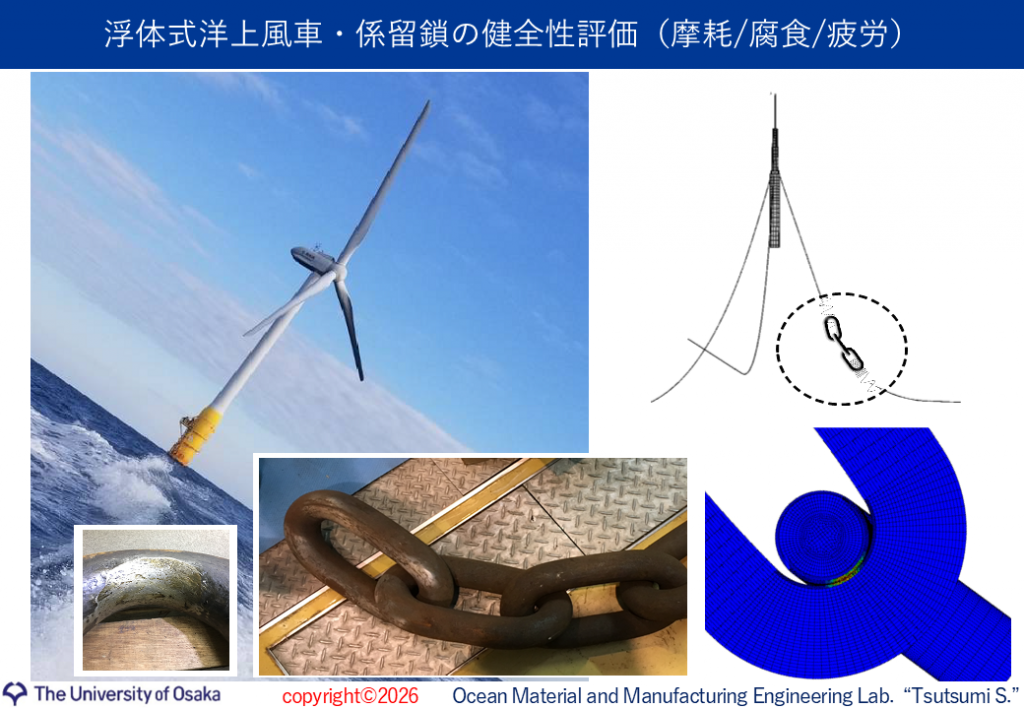
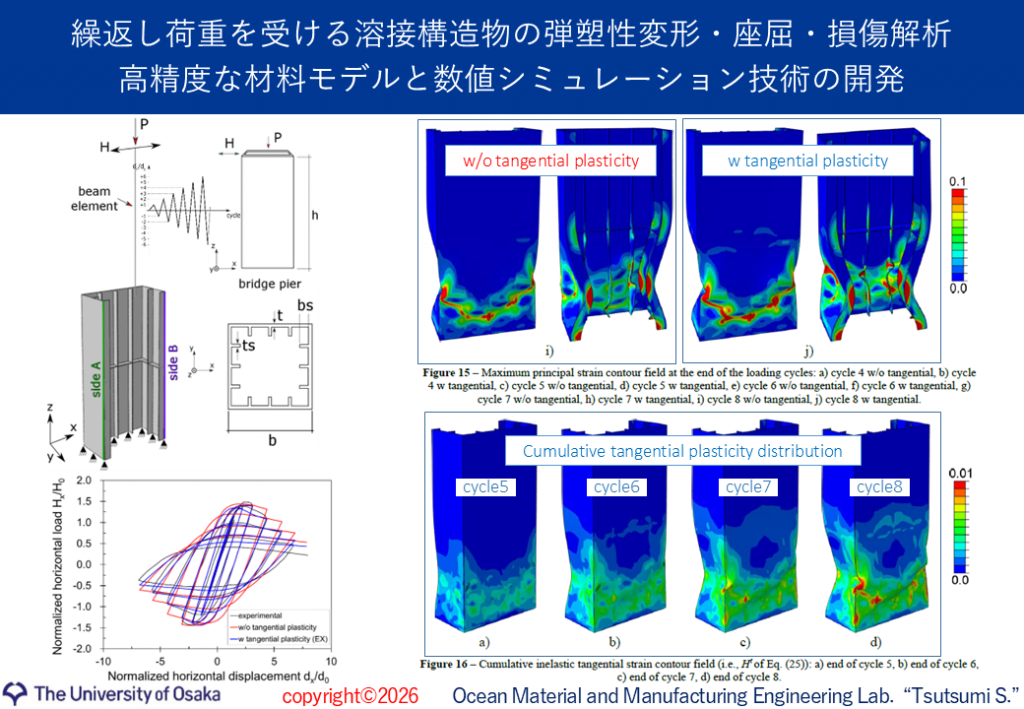
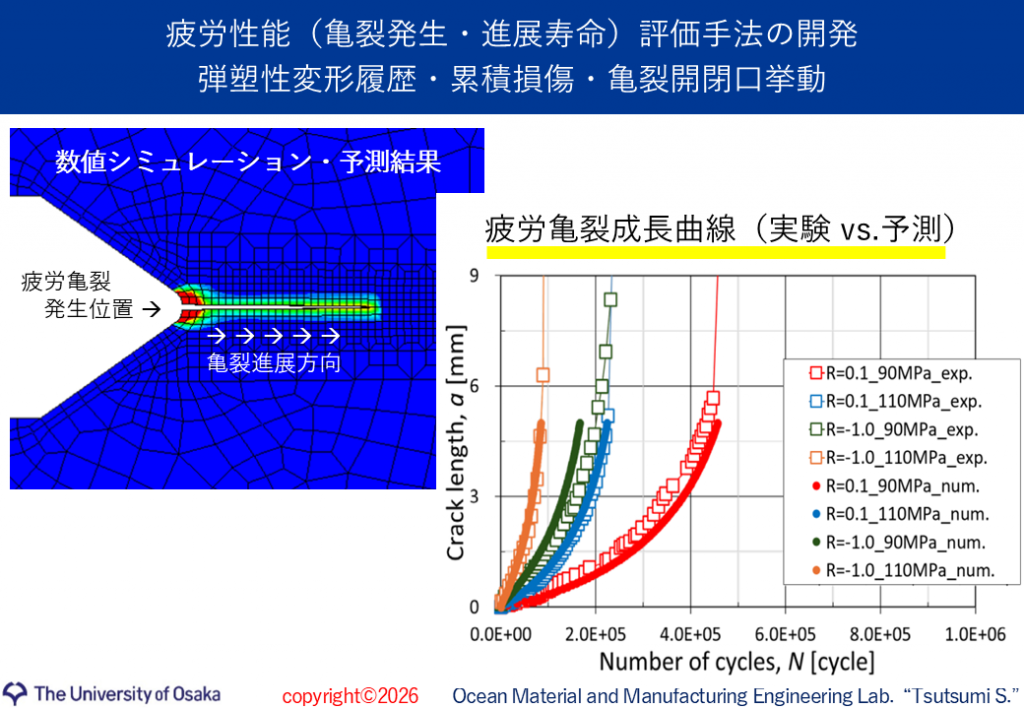
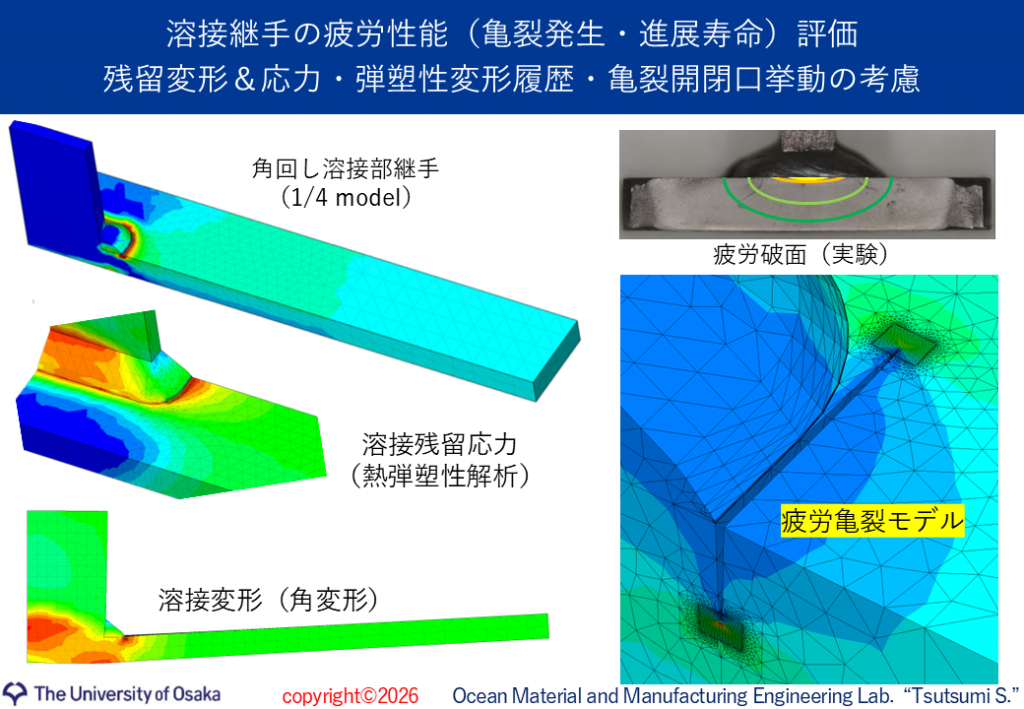
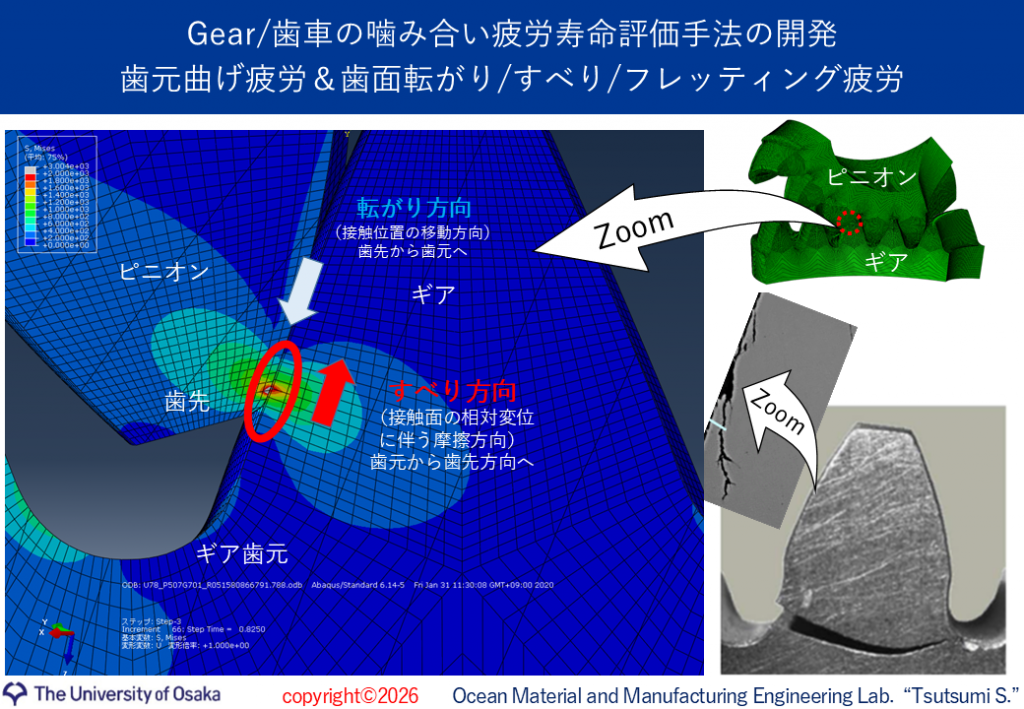
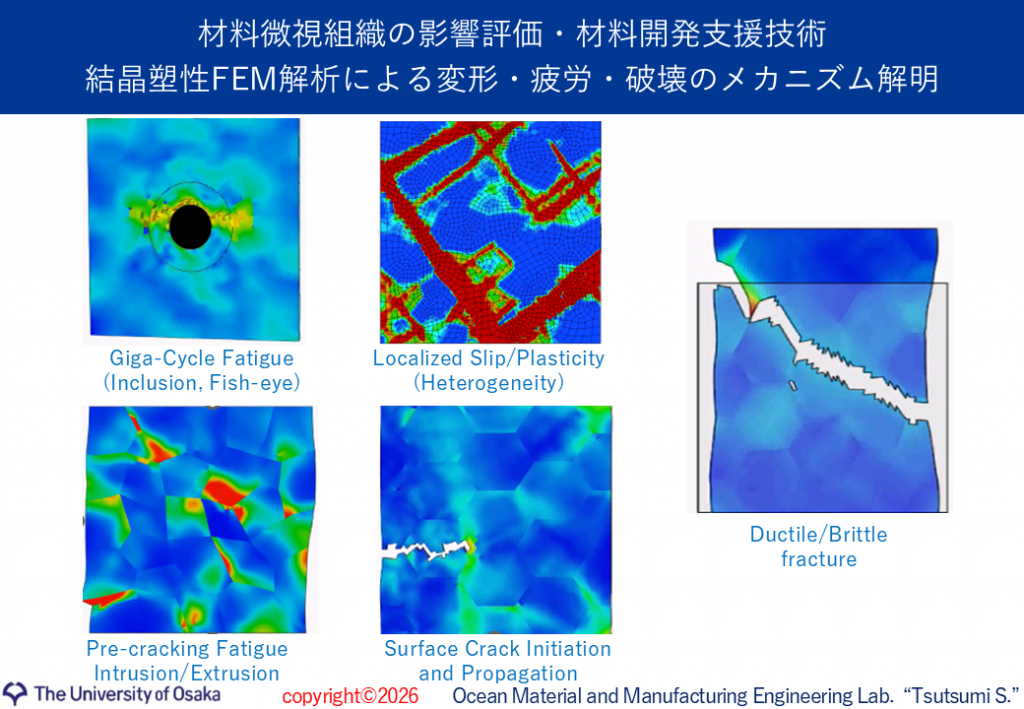
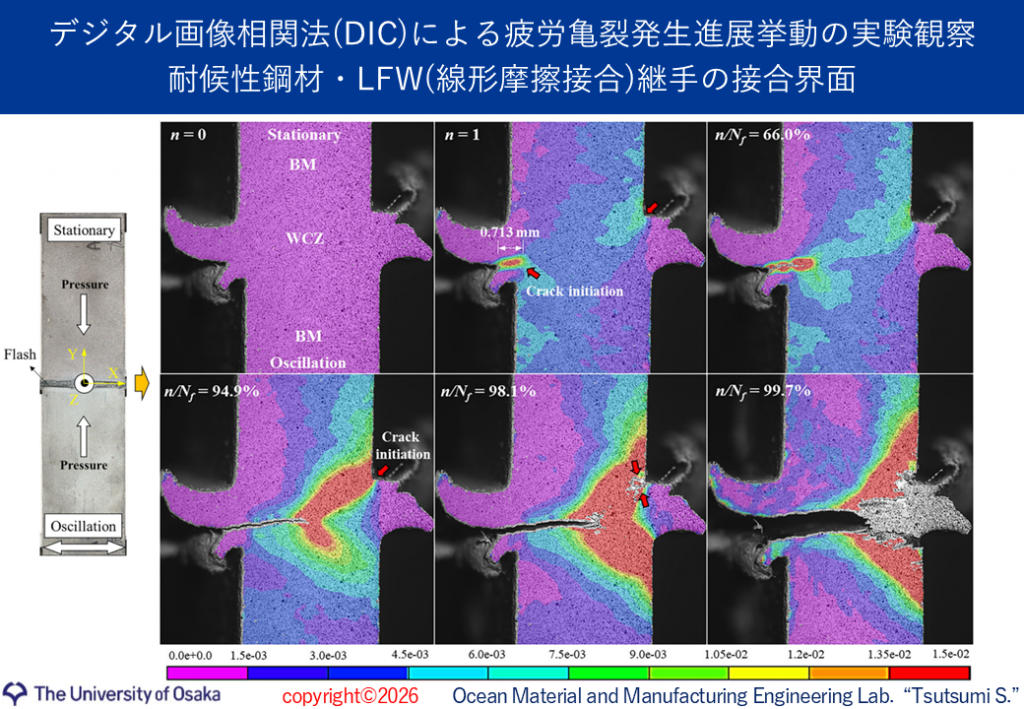
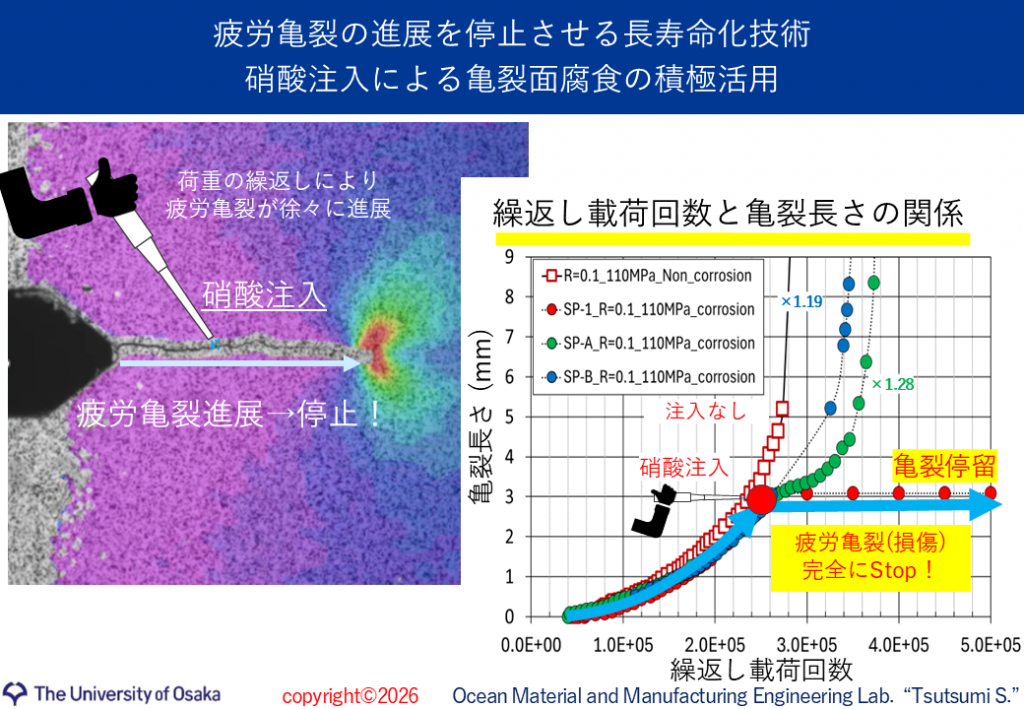
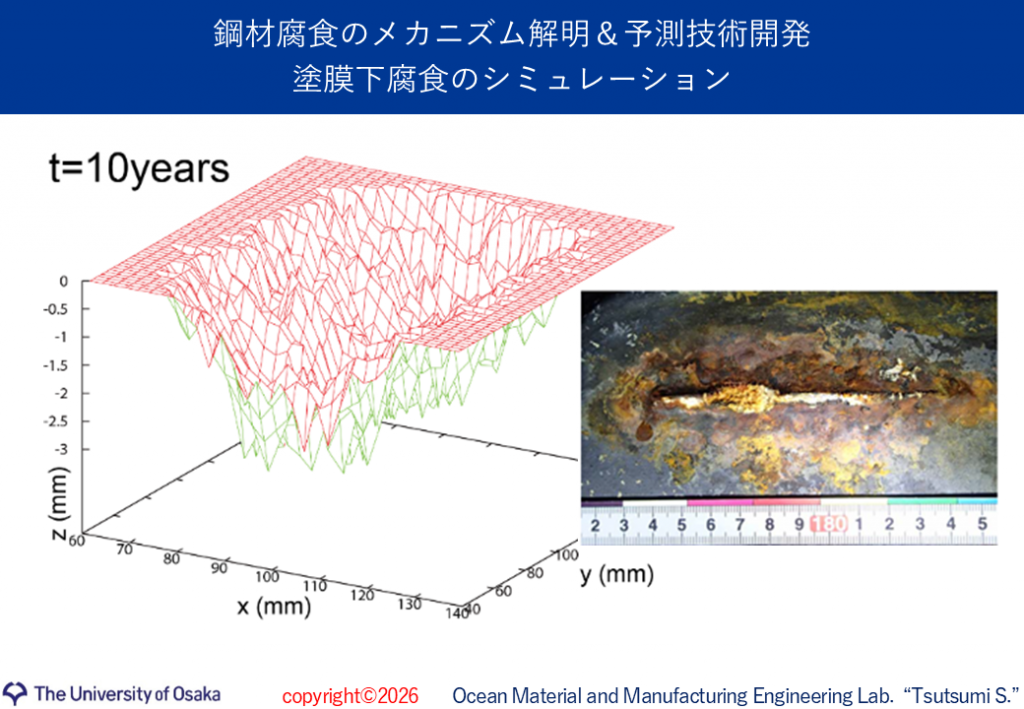
特に、実環境下における材料や構造体の耐久性に関する研究では、常に変動する多軸応力や環境下で生じる非線形な変形挙動、それらが継続的に作用することによって生じる疲労(亀裂発生・進展)、腐食、摩耗などの損傷が発生・進行して破壊に至るまでの全ての時刻歴・プロセスが対象になります。これらの物理現象は環境条件に強く依存し、複数要因が複合的に作用するため、極めて複雑なマルチフィジックス・強非線形問題となります。 さらに、デジタルツインによる未来予測の高精度化、造船工作や切断・成形・接合などの製造プロセスの最適化、人手不足や技能継承問題を背景とした品質検査の自動化、北極海航路や未開発資源の開拓に向けたシビア環境に対応する材料・構造の開発など、研究対象は多岐にわたります。
当研究室が開発する高度な実験技術と先進的な数値シミュレーション手法は、船舶・海洋分野にとどまらず、幅広い構造物や製造業における課題解決へ応用できる高い汎用性を備えています。国内外の大学との連携に加え、重工、鉄鋼、自動車、建設機械、精密機械など、多様な企業との共同研究も積極的に進めています。分野を横断するさまざまな連携先と協働しながら、社会に役立つ研究に取り組んでいます。
研究室では、先輩や教員から精緻な実験技術、理論、計算技術について丁寧な指導を受けられる体制を整えています。メンバー同士の連携と協力を大切にしており、教員との距離が近いことも特徴です。海外出身の学生も多く在籍しているため、毎週開催する研究室の全体ゼミでは、会議の運営・企画や英語によるコミュニケーション能力も磨かれます。また研究の進め方から学会発表、論文執筆まで、継続的なサポートを受けることができます。
私たちは、社会的ニーズが高く、幅広い分野で応用可能な研究を通じて、日本のみならず世界の産業界・学術界に貢献することを目指しています。また、次世代のイノベーションと技術発展を力強く支える存在でありたいと考えています。ともに挑戦し、学び、成長しながら、新しい時代を切り拓いていきましょう。
お知らせ News
-
 研究
研究
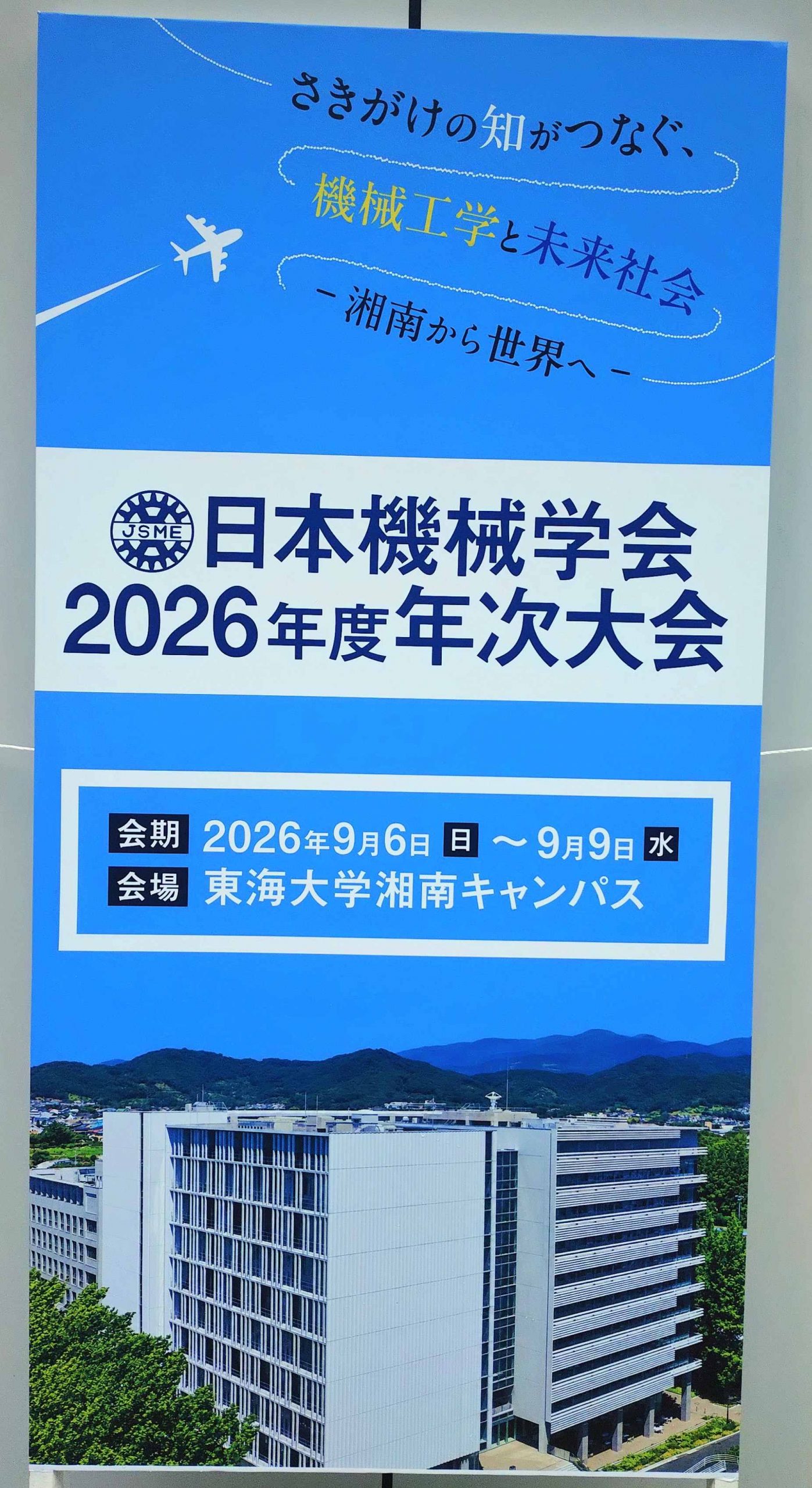
桐生泰輔君(M2)が日本機械学会2026年度年次大会(OS:疲労き裂発生~進展寿命までのシミュレーションによる疲労寿命解析技術の現状と展望)で発表を行いました.Presented at the Annual Conference of JSME.
2026/9/6-9に東海大学湘南キャンパスで開催された日本機械学会2026年度年次大会(OS:疲労き裂発生~進展寿命までのシミュレーションによる疲労寿命解析技術の現状と展望)において,M2の桐生泰輔君,OBの日本製鉄・ […] -
 研究
研究
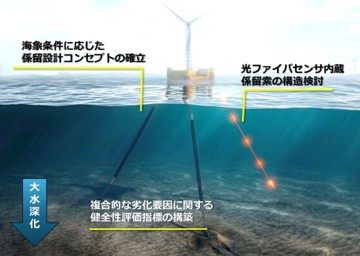
NEDO「次世代浮体式洋上風力発電システム実証研究」に採択されました
神鋼鋼線工業株式会社を委託先、ニューブレクス株式会社を再委託先とする研究開発テーマ「光ファイバセンシングを活用した高耐食型鋼製ケーブルによる係留システムの長期モニタリング技術・健全性評価技術の研究開発」に、大阪大学大学院 […] -
 イベント
イベント
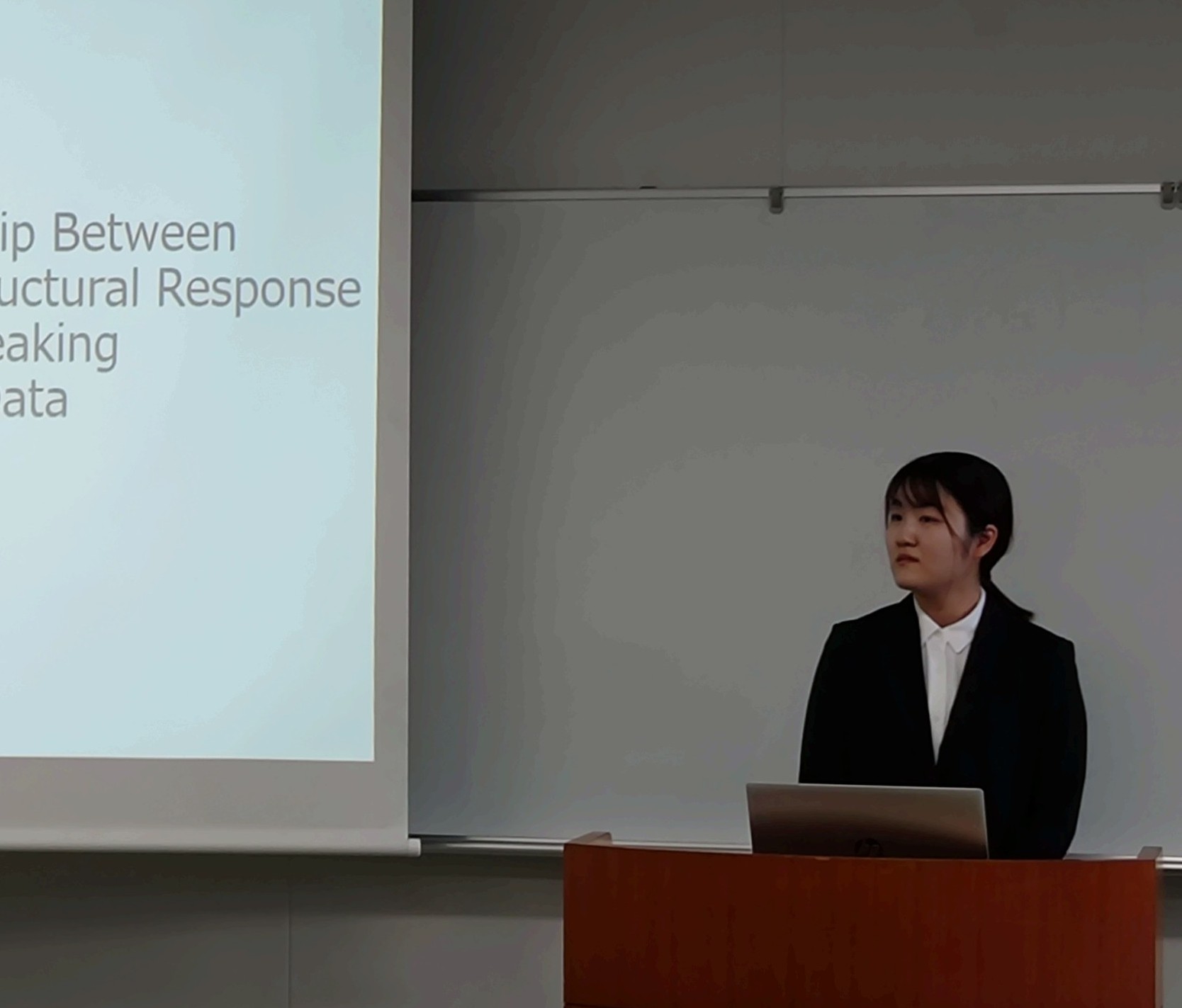
源田 蒼さんが修士論文発表を行いました.Ms. GENDA Aoi (M2 student) gave her master’s thesis presentation.
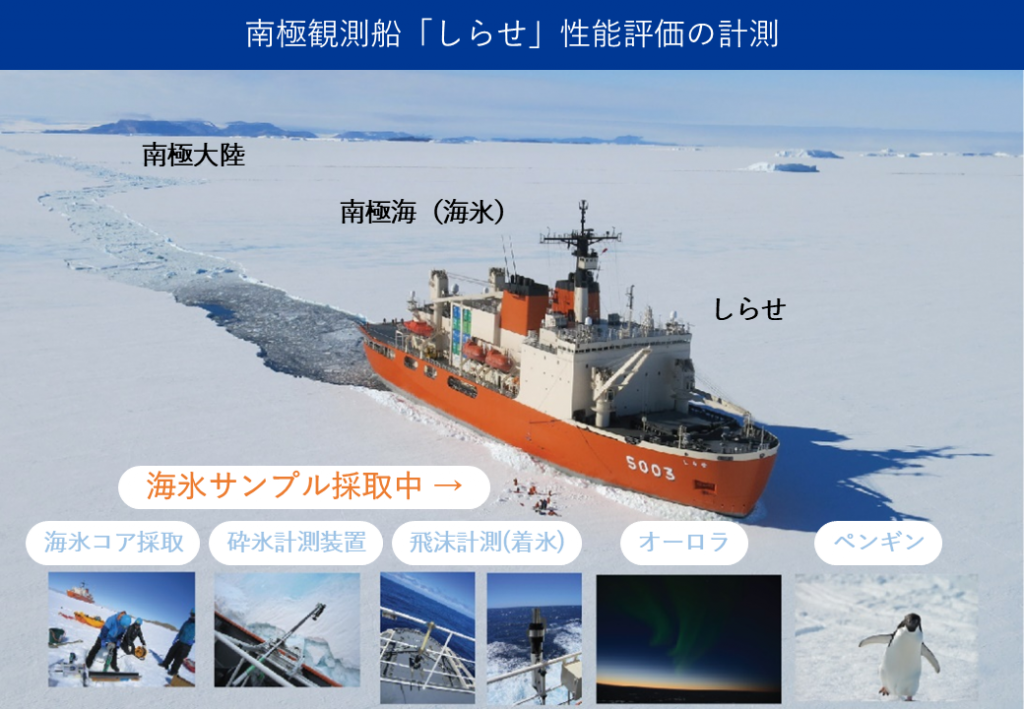
2026年7月29日、M2の源田 蒼さんの修士論文発表会が行われました。自ら南極観測船「しらせ」に長期間乗船して取得した大変貴重なデータに基づく研究成果を発表してくれました。源田さんさん、ナイス発表でした!お疲れさまでし […] -
 イベント
イベント
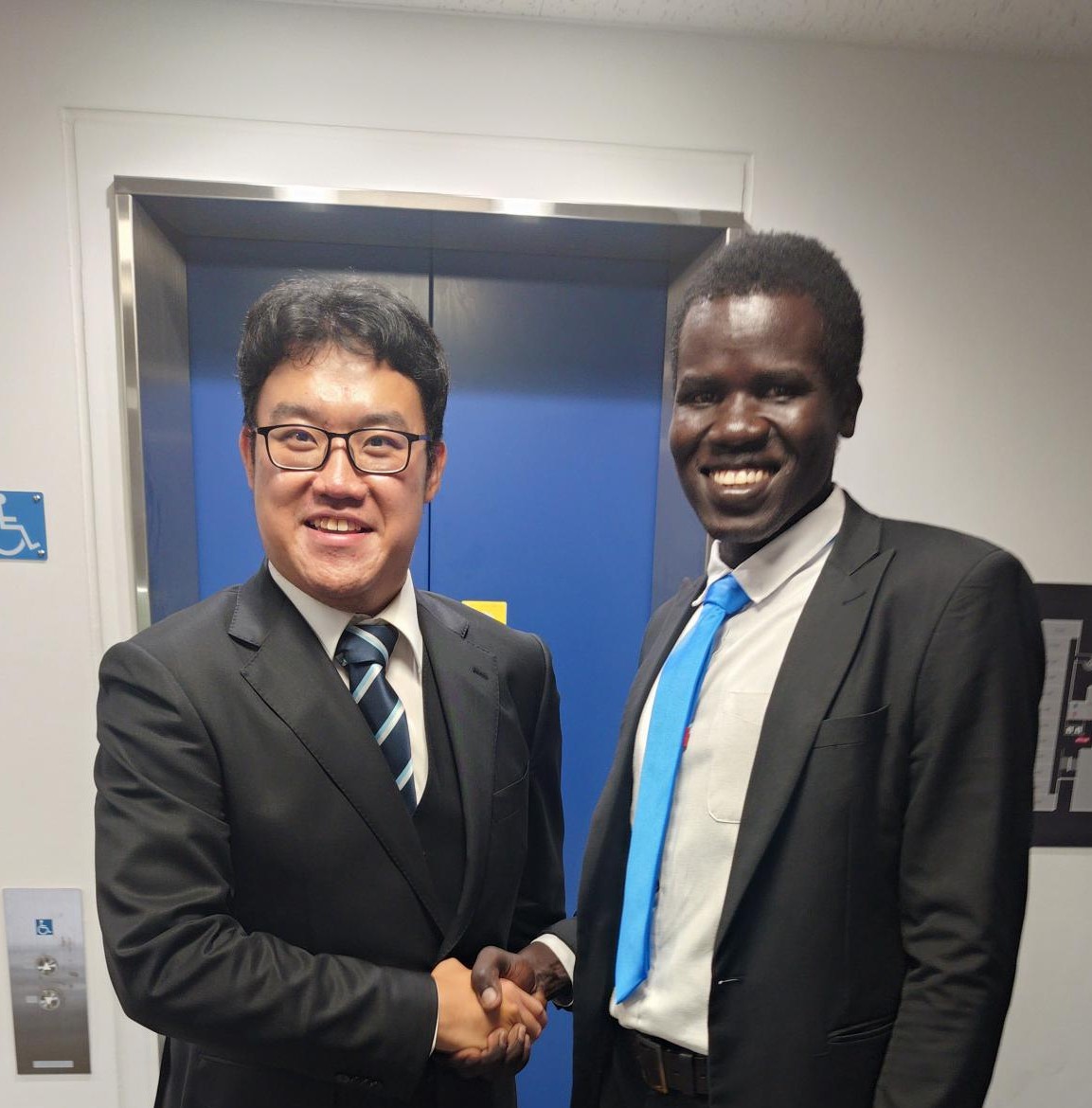
GARANG Ajak 君とLOU Yulong 君が修士論文(英語コース)の発表を行いました.Mr. GARANG Ajak and Mr. LOU Yulong delivered thier presentation at presentation meeting of Master-Degree Thesis.
2026年7月29日、M2のGARANG Ajak 君とLOU Yulong 君の修士論文発表会が大阪大学・吹田キャンパス(S1)にて開催されました。多くの方々にご臨席いただき、充実した議論が行われました。Ajakさん、 […] -
 イベント
イベント
CHEN Xipeng 君(D3)が博士学位論文公聴会にて発表を行いました.Mr. CHEN Xipeng delivered his presentation at his PhD dissertation public defense.
2026年7月24日、CHEN Xipeng 君(D3)の博士学位論文公聴会が大阪大学・吹田キャンパスにて開催されました。 公聴会には、博士課程への入学以来ご指導いただいている大沢直樹先生、RASHED Sherif先生 […] -
 イベント
イベント
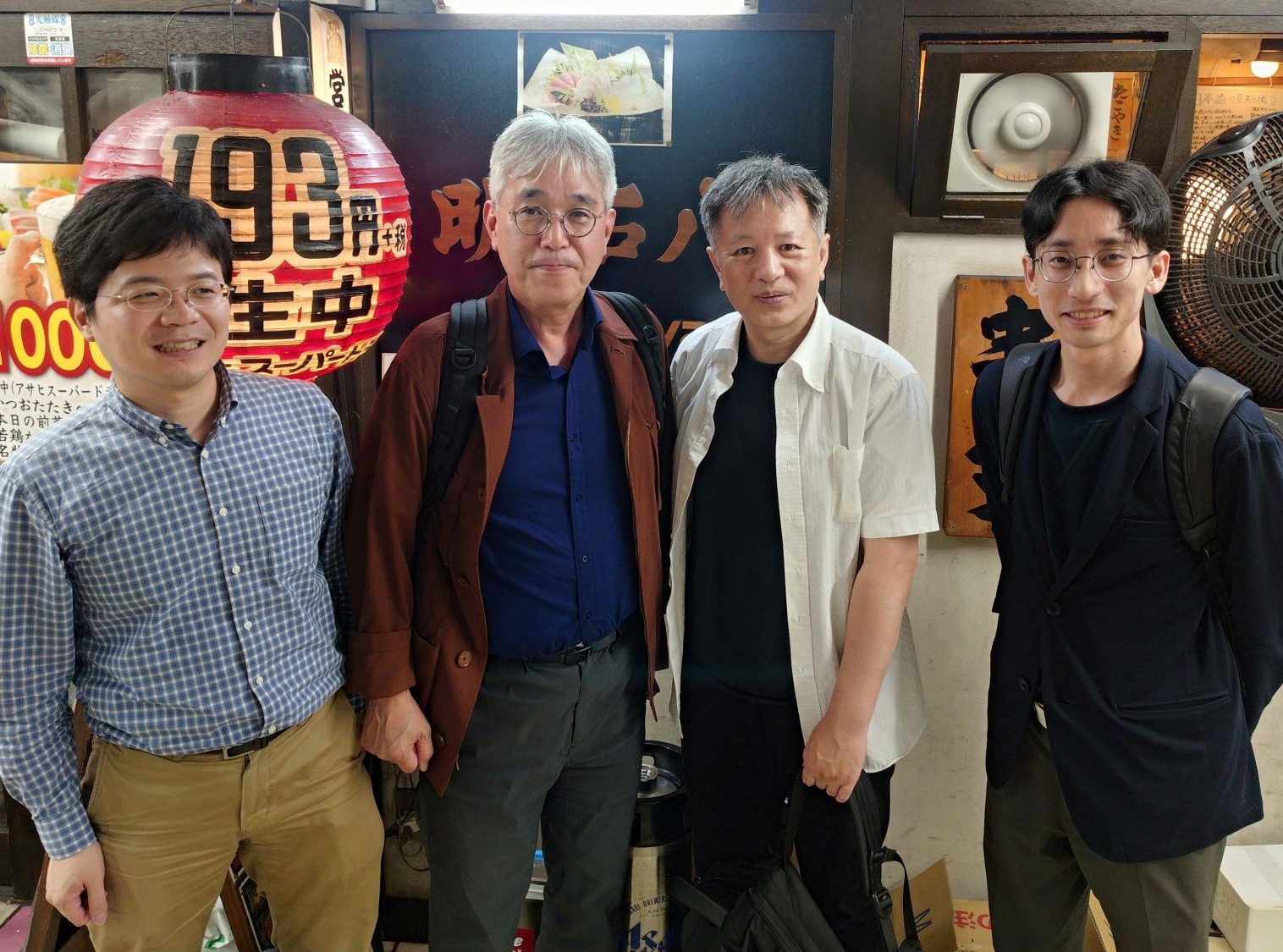
来訪:寺田賢二郎先生(東北大学)、新宅勇一先生&D1松井君(筑波大学) Academic Visitors: Prof. Kenjiro Terada (Tohoku University), Prof. Yuichi Shintaku & Mr. Matsui (D1, University of Tsukuba)
2026年7月6日・7日の2日間、寺田賢二郎先生(東北大学)、新宅勇一先生およびD1の松井さん(筑波大学)が当研究室に来訪されました。当日は研究に関する打ち合わせや実験室の見学に加え、懇親会も行いました。皆様ご多忙の中、 […] -
 イベント
イベント
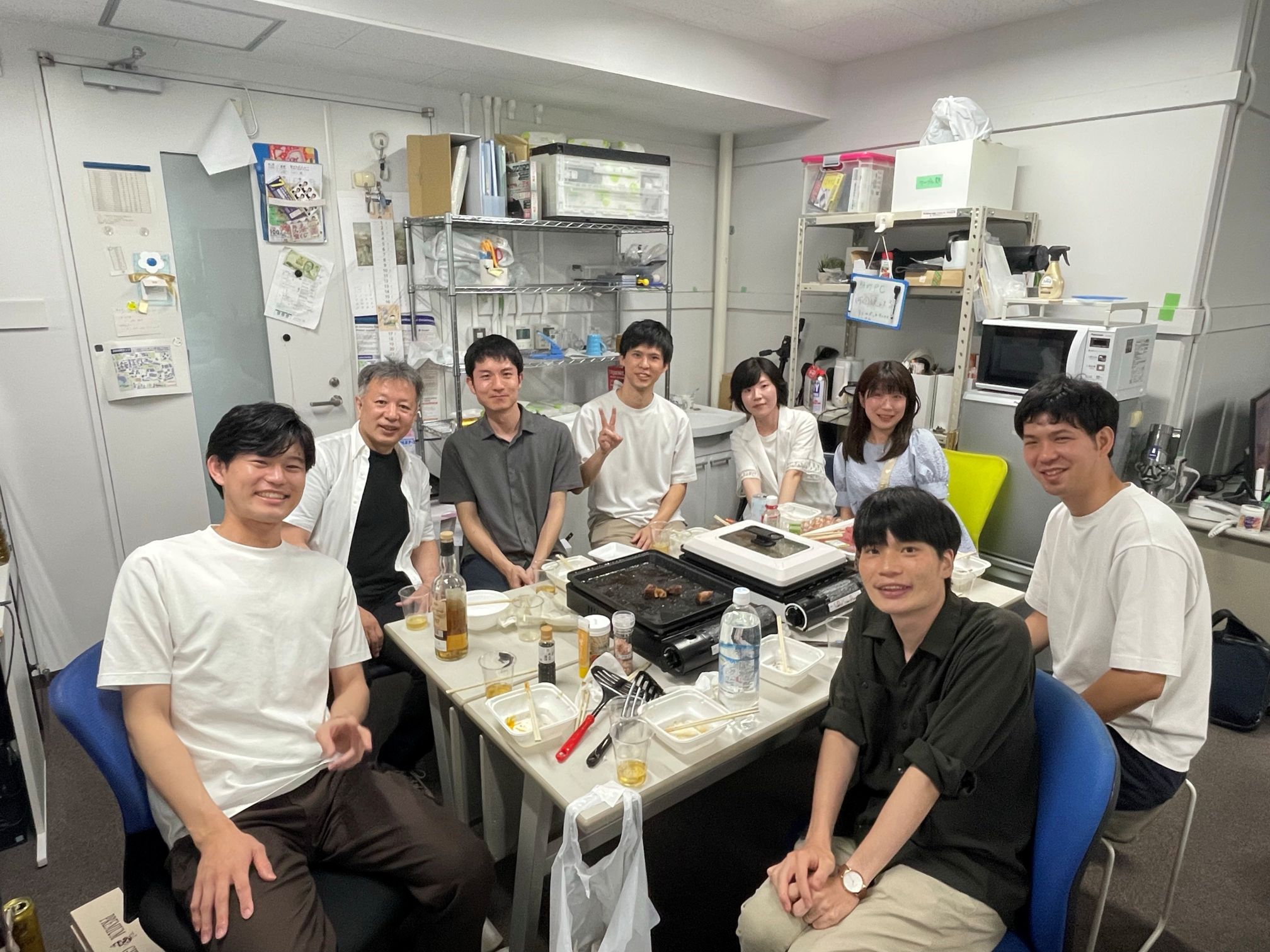
来訪:OB&OG Alumni kindly visited us, and we enjoyed a pleasant social gathering together.
2026年6月28日(日)に、OB&OGの森田氏@IHI、植田氏@KHI、長尾氏@JFES、北村氏@日鉄エンジ、佐野氏@神鋼、柴田氏@SHI、清川氏@日鉄エンジが本研究室を来訪され、懐かしの研究室BBQスタイルで […] -
 研究
研究
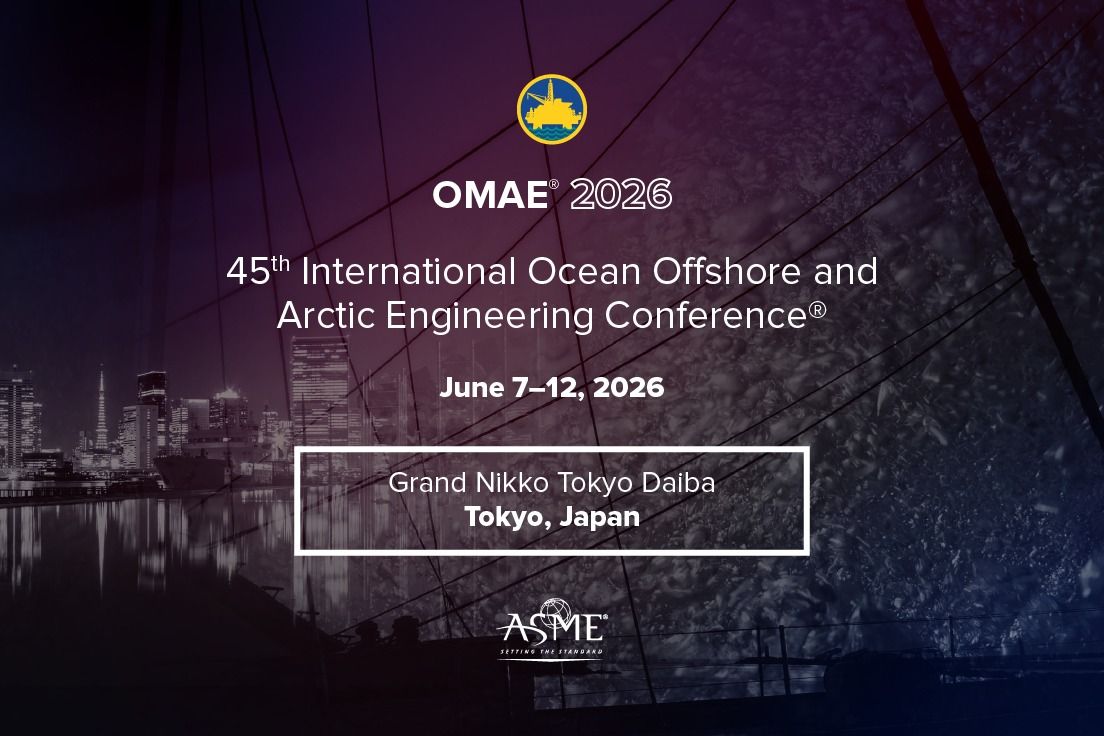
国際学会OMAE2026で4件の発表を行いました.Presented at the OMAE2026.
2026/6/7-12に東京で開催された国際会議the 45rd International Conference on Ocean, Offshore and Arctic Engineering (OMAE 2026 […] -
 研究
研究
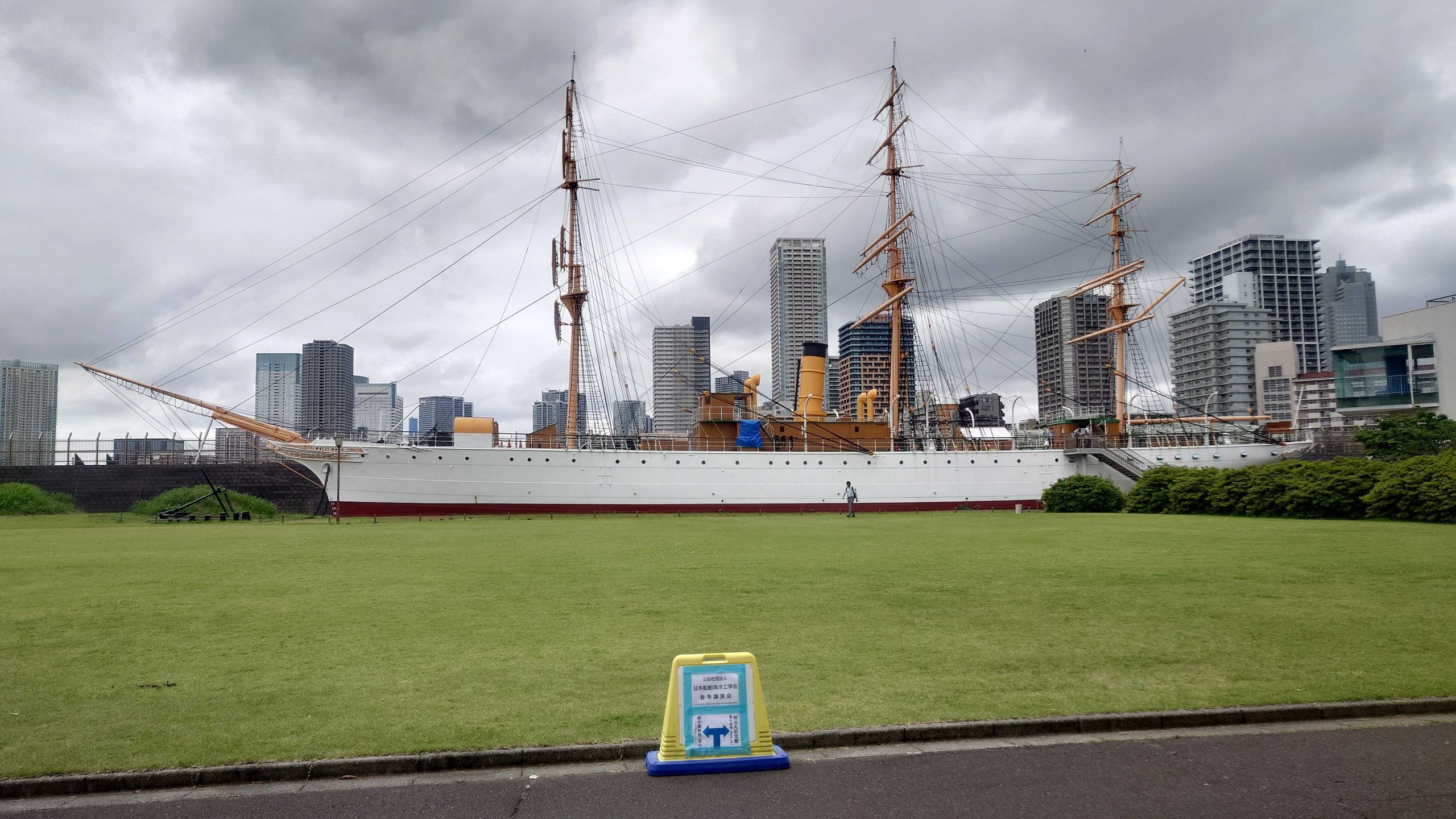
日本船舶海洋工学会春季講演会で学生3名が発表を行いました.Students presented at the Spring Conference of JASNAOE.
2026/5/28-29に東京海洋大学で開催された日本船舶海洋工学会春季講演会において,当領域の博士前期課程学生3名が発表を行いました.発表を行った研究及び発表者(〇印)は以下の通りです. -
研究
応用力学シンポジウム(JSCE)で4件の発表を行いました.We gave four presentations at the JSCE Symposium on Applied Mechanics.
2026/5/16-17に東京大学柏キャンパスで開催された第29回応用力学シンポジウム(JSCE)において,4件の発表を行いました.発表を行った研究及び発表者(〇印)は以下の通りです. At the 29th JSCE […] -
研究
溶接学会春季全国大会で4件の発表を行いました.Presented at the Spring Conference of JWS.
2026/4/22-24に大阪大学中之島センターで開催された溶接学会春季全国大会において,4件の発表を行いました.発表を行った研究及び発表者(〇印)は以下の通りです. -
 受賞
受賞
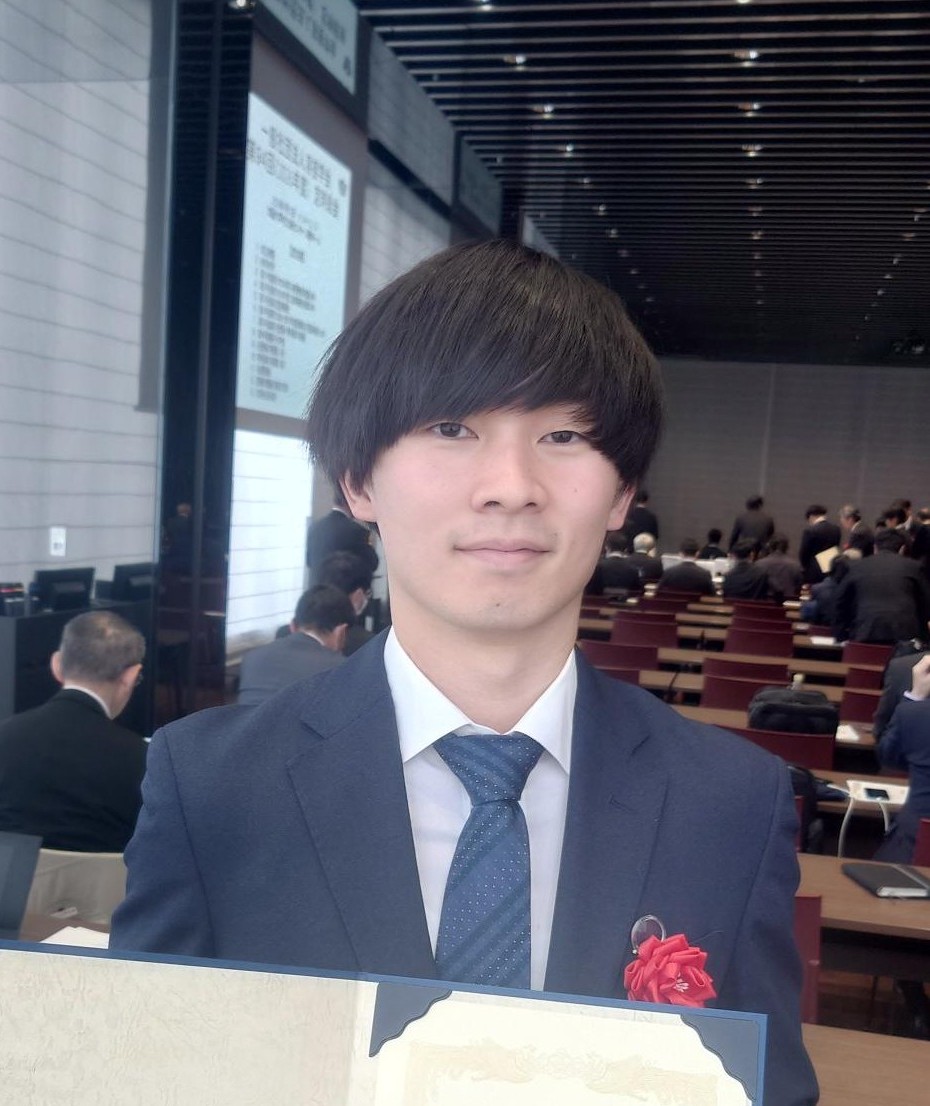
野田雄也君(M2)が「2025年度 溶接学会 優秀研究発表賞」を受賞しました。 Mr. Yuya Noda (M2) has received the “2025 Excellent Research Presentation Award” from the Japan Welding Society.
野田雄也君(M2)が、「2025年度 溶接学会 優秀研究発表賞」を受賞しました(授与式:2026年4月22日)。本表彰は、溶接学会2025年度全国大会(年2回開催)における研究発表において、発表内容及び発表の仕方の両方が […] -
 イベント
イベント
歓迎会@春 新メンバー参加!
2026年4月20日に、今年の春に当研究室へ配属された新メンバーの皆さんの歓迎会を行いました。 皆さんとても元気で活気にあふれており、夜遅くまで大いに盛り上がりました。これからもチームプレーを大切にしながら、一丸となって […] -
 受賞
受賞
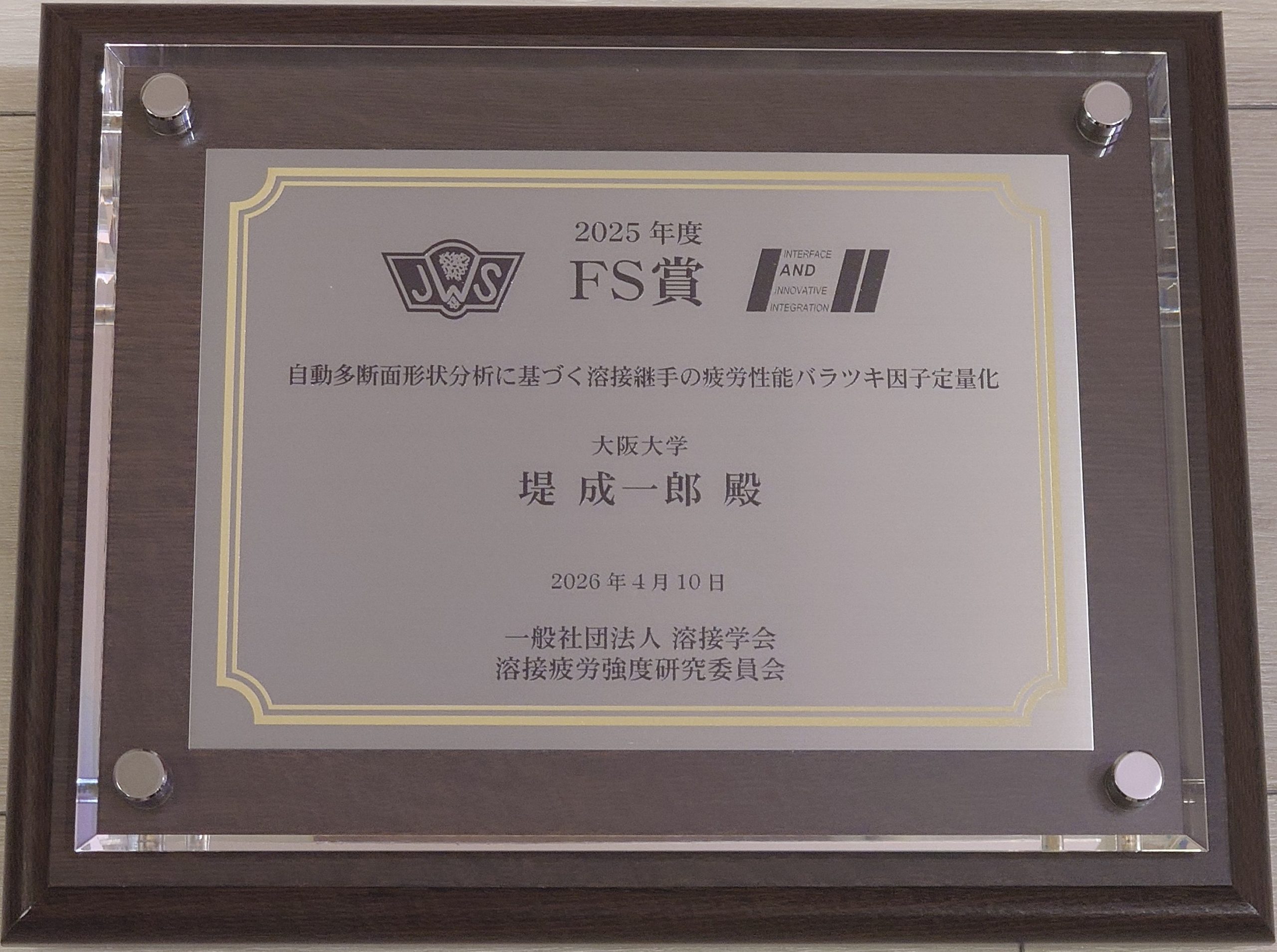
堤 成一郎 教授が溶接学会 溶接疲労強度研究委員会より「FS賞」を受賞しました.Professor Seiichiro Tsutsumi received the FS Award.
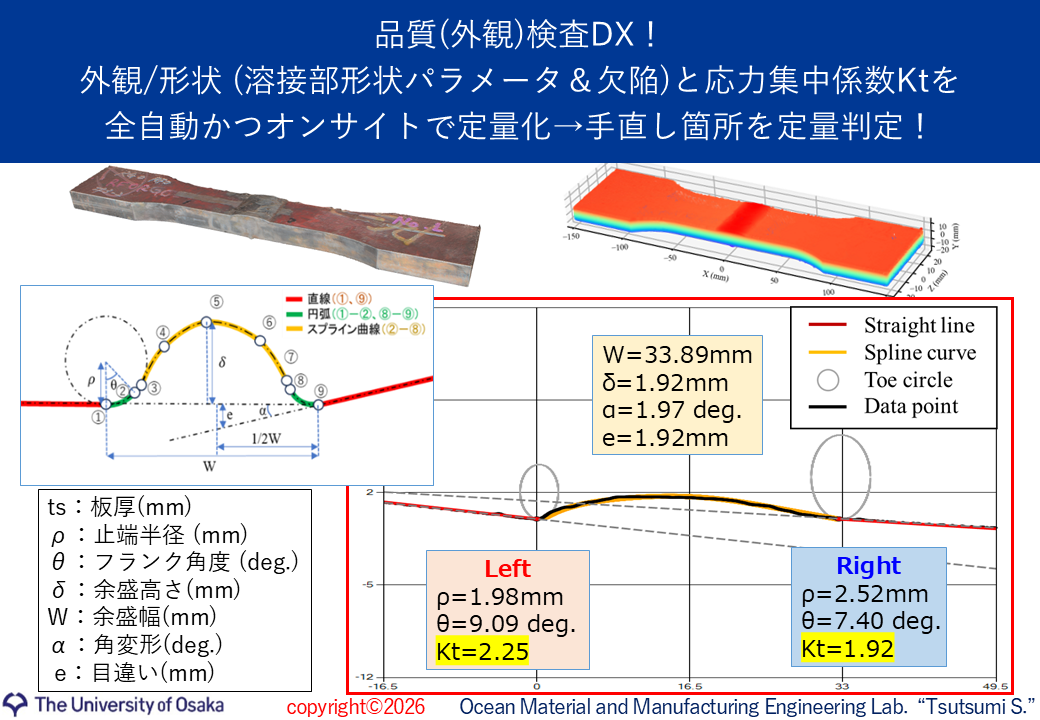
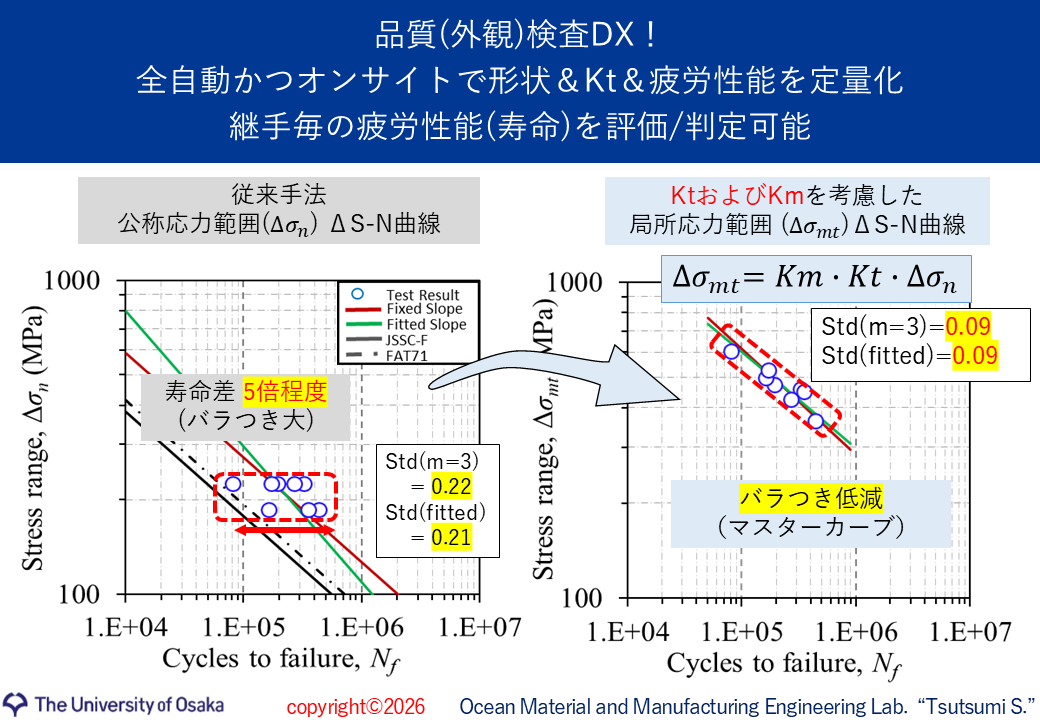
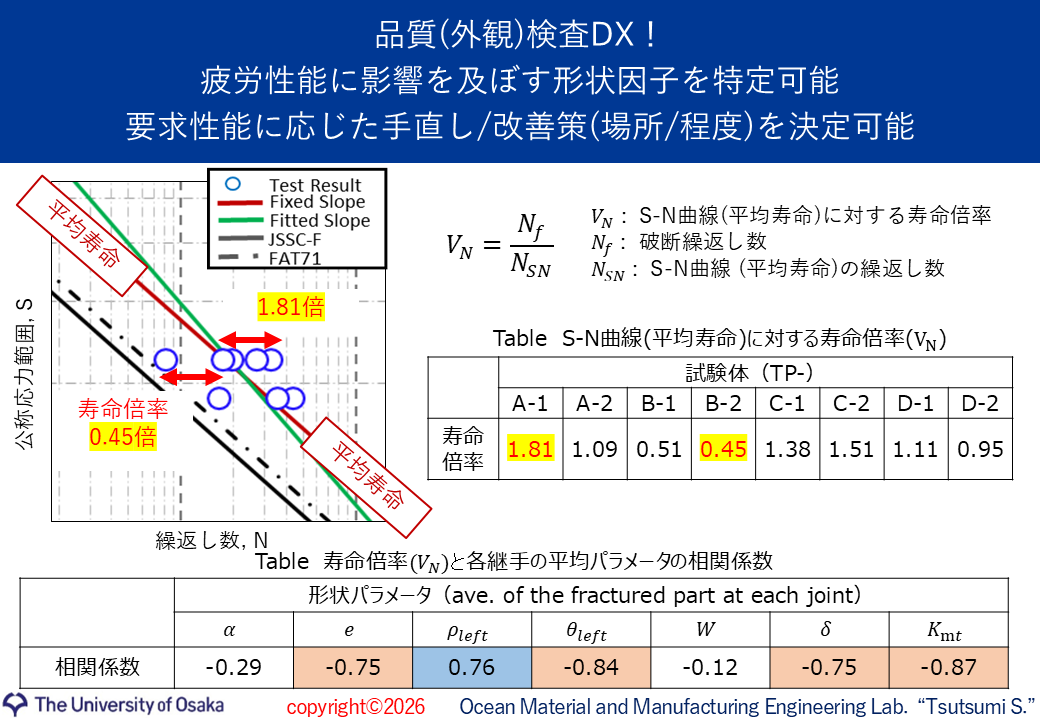
堤 成一郎,溶接学会 溶接疲労強度研究委員会「FS賞」(Fatigue Strength),”自動多断面形状分析に基づく溶接継手の疲労性能バラツキ因子定量化”,2026年4月10日
お問い合わせ Contact
当研究室に関して
- 現在取り組んでいる研究テーマやプロジェクトについての詳細を知りたい
- 研究室を訪問して研究活動や環境を直接見てみたい
- 共同研究や技術移転について相談したい
上記のようなお問い合わせがございましたら、お気軽に以下からご連絡ください。